الوضع الليلي


 1:21:52
  2025-11-17
  1675
1675

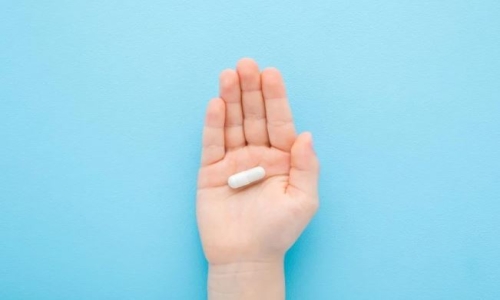
New research suggests that when vitamin D levels drop low enough, depression becomes more common, but not in a simple, one-directional way.
A large new review finds that adults with lower vitamin D levels are more likely to have depression, especially when 25-hydroxy-vitamin D [25(OH)D] falls at or below 30 nmol/L. The work, published in Biomolecules and Biomedicine, also makes clear that this pattern does not yet prove that low vitamin D causes depression.
Depression affects about 5% of adults worldwide and is expected to become the leading cause of disease burden by 2030. Standard antidepressants help many people but, on average, provide only “small to moderate” effects, which has kept interest high in safe, modifiable factors like vitamin D.
From a biological perspective, the connection makes sense. Vitamin D receptors are abundant in mood-relevant brain regions, including the hypothalamus and pons. Its active form, 1,25-dihydroxy-vitamin D, supports healthy brain signaling, calms neuro-inflammation, limits oxidative stress, and helps keep intracellular calcium in balance, all pathways that have long been tied to depression.
How the Review Was Conducted
The team examined 66 observational studies from 31 countries, selected from 8,052 records in PubMed/MEDLINE, Scopus, and Web of Science up to 30 April 2023. Because the studies used different vitamin D tests and many different depression scales and diagnostic tools, the researchers produced a narrative synthesis rather than a pooled meta-analysis. Study quality was rated using the MMAT and MINORS tools. The review followed PRISMA-2020 guidelines and was registered in PROSPERO (CRD42024515918).
Across 46 cross-sectional studies in the new review, lower 25(OH)D levels reliably tracked with higher depressive symptom scores or a diagnosis of depression. The threshold around 25(OH)D ≤ 30 nmol/L most often aligned with higher depression rates. Case-control studies reported that people with current or remitted major depressive disorder were more likely to have insufficient or deficient vitamin D than healthy controls, and lower levels typically accompanied more severe symptoms. Some analyses found that these associations appeared mainly in women, suggesting possible sex-specific effects.
Prospective Cohorts: A More Mixed Picture
In 10 strictly prospective cohorts, results were more varied. Several studies in community and older populations found that people with deficient or insufficient vitamin D at baseline had a greater risk of developing depressive symptoms over time than those with higher levels.
Other large cohorts, including biobank data sets, did not detect a significant link between low 25(OH)D and new-onset major depression. In some cases, links between changing vitamin D levels and changing mood scores were seen only in people who began with low vitamin D, and in at least one study, this association disappeared after accounting for frailty.
A major challenge was methodological variation. Studies used different depression instruments and different vitamin D assays, and many did not fully adjust for factors such as sun exposure, body mass index, or other medical conditions. That leaves room for confounding, including the possibility that depression leads to lower vitamin D through reduced time outdoors or poorer general health, rather than the other way around.
To move the field forward, the authors call for large cohorts with repeated vitamin D measurements, objective sunlight exposure data, and genetic information (for example, in vitamin D-related genes), along with randomized prevention trials in vitamin-D-deficient adults who do not yet have depression. The goal is to test whether correcting deficiency can truly lower the risk of developing the disorder.
“Our takeaway is cautious but practical: check vitamin D in adults with depression and correct clear deficiency for overall health—while we run rigorous studies to test whether restoring vitamin D can actually prevent depression,” said Vlad Dionisie, Ph.D., Assistant Professor at Carol Davila University of Medicine and Pharmacy.
Reality Of Islam |
|
A new gener
Building a

Now in spac

NASA’
 9:3:43
2018-11-05
9:3:43
2018-11-05
10 benefits of Marriage in Islam
7:5:22
2019-04-08
benefits of reciting surat yunus, hud &
9:45:7
2018-12-24
advantages & disadvantages of divorce
11:35:12
2018-06-10
6:0:51
2018-10-16
6:28:21
2022-12-20
7:45:39
2018-06-21
7:0:55
2022-05-17
8:39:51
2022-09-23
11:2:27
2022-10-06
allah will not answer all your prayers
6:56:28
2022-01-01
2:5:14
2023-01-28
5:41:46
2023-03-18
| LATEST |
 HOME
HOME