الوضع الليلي
0
Avoid Weight Creep
11:14:8 2025-01-07 1594

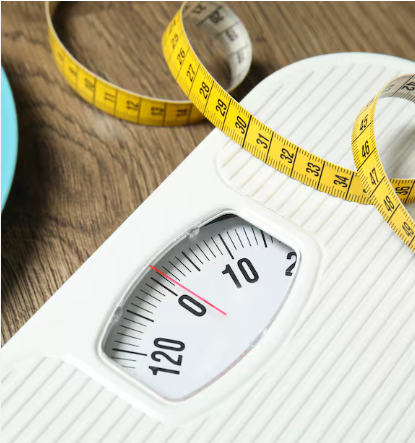
As we enter a new year armed with resolutions to improve our lives, there's a good chance we'll also be carrying something less helpful: extra kilos. At least half a kilogram (about 1.1 pounds), to be precise.

'Weight creep' doesn't have to be inevitable. Here's what's behind this sneaky annual occurrence and some practical steps to prevent it.

Small gains add up

Adults tend to gain weight progressively as they age and typically gain an average of 0.5 to 1 kilogram every year.

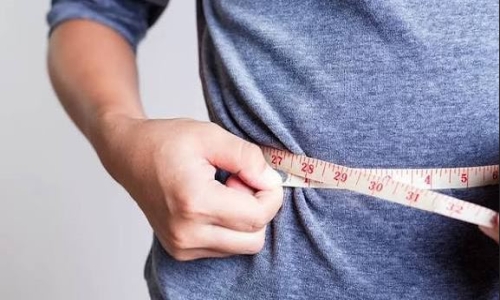
While this doesn't seem like much each year, it amounts to 5 kilograms over a decade. The slow-but-steady nature of weight creep is why many of us won't notice the extra weight gained until we're in our fifties.

Why do we gain weight?

Subtle, gradual lifestyle shifts as we progress through life and age-related biological changes cause us to gain weight. Our:

  • activity levels decline. Longer work hours and family commitments can see us become more sedentary and have less time for exercise, which means we burn fewer calories
  • diets worsen. With frenetic work and family schedules, we sometimes turn to pre-packaged and fast foods. These processed and discretionary foods are loaded with hidden sugars, salts and unhealthy fats. A better financial position later in life can also result in more dining out, which is associated with a higher total energy intake
  • sleep decreases. Busy lives and screen use can mean we don't get enough sleep. This disturbs our body's energy balance, increasing our feelings of hunger, triggering cravings and decreasing our energy
  • stress increases. Financial, relationship and work-related stress increases our body's production of cortisol, triggering food cravings and promoting fat storage
  • metabolism slows. Around the age of 40, our muscle mass naturally declines, and our body fat starts increasing. Muscle mass helps determine our metabolic rate, so when our muscle mass decreases, our bodies start to burn fewer calories at rest.

We also tend to gain a small amount of weight during festive periods – times filled with calorie-rich foods and drinks, when exercise and sleep are often overlooked.

One study of Australian adults found participants gained 0.5 kilograms on average over the Christmas/New Year period and an average of 0.25 kilograms around Easter.

Reality Of Islam

MOST VIEWS

Importance of Media

9:3:43   2018-11-05

Illuminations

friendship

2:13:43   2022-05-27

life temptations

10:35:40   2022-05-26

remember who supported you

2:2:13   2022-10-08

overcoming challenges

5:57:34   2023-03-18

never answer to your lusts

7:0:55   2022-05-17

do not burn out

2:34:48   2022-01-18

be yourself

4:2:19   2022-10-10


IMmORTAL Words
LATEST A Simple Pill Could Treat Diabetic Eye Damage Before Vision Is Lost A Diamond Smaller Than a Grain of Rice Could Transform Heart Monitoring Arctic Landslide Triggers 1,580-Foot Tsunami in Alaska Brain Differences May Explain Why Some Children Struggle at Math Tiny Diamond Beams Could Unlock More Powerful Quantum Networks He Was Looking for a Campsite. He Found a Massive Impact Crater Mission to Destroy the Idolatrous Temple of al-Fuls The Last Sermon from the Holly Prophet (Peace and Blessings Be Upon Him and His Progeny) Guidance Recommendations for Parents of a Child with an Intellectual Disability Where Does Fat Go When You Lose Weight? The Answer May Surprise You New Space Telescope from NASA Could Bring Alien Worlds into View Like Never Before Even After 300 Years, Scientists Find Recovering Grasslands Can Remain Fundamentally Different