الوضع الليلي


 4:45:58
  2025-01-04
  1529
1529

(Children need love, especially when they don’t deserve it.)
- Harold Hulbert
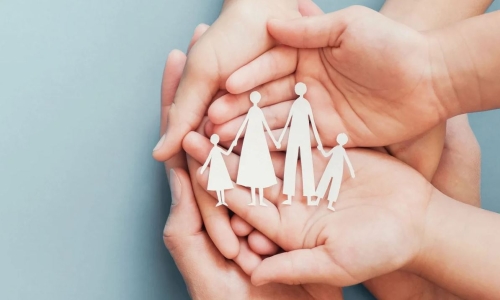
One of the most important messages we can give our children about emotions is that anger is a universal human emotion that can be managed and controlled. How do we do that? By acknowledging and responding to their anger, rather than ignoring or punishing it. Once children realize that their anger is heard and responded to, they express it more calmly, rather than resorting to aggression. Conversely, children who receive the message that anger is not acceptable or respected try to suppress it, which means that angry feelings are swept under the rug for no reason other than to explode suddenly without the control of the conscious mind. Thus, our attitude toward our child’s anger can either help him learn to manage it, or it can push him toward aggression.
Although we don’t usually notice it when we are overwhelmed with anger, anger is actually a defense against deeper feelings of fear, hurt, disappointment, or other pain. When those feelings become too overwhelming, we become angry to prevent ourselves from feeling the pain. We rally against the perceived threat of attack, instinctively knowing that the best form of defense is attack. Attack sometimes makes sense, but only when there is an actual threat. While children often get angry because of their emotional vulnerability, actual threats are rare most of the time. When children get angry, they want to attack their little sibling (who broke their cherished keepsake), their parents (who were “unfair in their discipline”), their teacher (who embarrassed them), or the playground bully (who scared them).
You can help your child deal with her anger by remembering that this angry child is trying to show you that she is scared, disconnected, and hurting inside. Your job is to acknowledge both the anger and the emotions that lie beneath it. Once children have had a chance to feel the vulnerability they’ve been avoiding, they no longer need anger as a defense, and it fades away.
When children live in a home where anger is managed healthily, they generally learn to manage their anger productively. This means:
* Controlling aggressive impulses. When we accept our child’s anger and remain calm, we lay the neural pathways—and learn the emotional skills—she needs to calm down. Without harming themselves, others, or property. By the time children reach kindergarten, they should be able to tolerate the rush of adrenaline and other “fight” chemicals in their bodies without acting on them and violently hitting someone.
* Acknowledging the more serious feelings that lie beneath the anger. Once a child allows himself to feel the regret over a broken souvenir, the pain over his mother’s injustice, the shame over not knowing the answer in class, or the fear of being threatened by a classmate, he can move on. He no longer needs his anger to block out those feelings, and the anger evaporates.
* Constructive problem solving. The goal is for your child to use anger as a motivator to change things as necessary so that the situation doesn’t happen again. This might include putting his souvenirs away from his little sibling or seeking help from his parents in dealing with the bully. It might also include acknowledging his contribution to the problem, so he can resolve to do a better job of following his parents’ rules or preparing well before going to class.
It obviously takes years of parental guidance for children to learn these skills. But by the time children reach age 6, the brain should have developed to the point where the thinking centers can take over the emergency messages coming from the lower brain centers. Children who can’t control their aggressive impulses when they’re very upset are sending a signal that they need help processing their emotional backlog and their constant resentment. If parents can help their children feel safe enough to express anger and explore the feelings underneath, they’ll slowly move past their anger and into constructive problem-solving throughout the elementary school years.
Reality Of Islam |
|

A new gener
Building a

Now in spac

NASA’
 9:3:43
2018-11-05
9:3:43
2018-11-05
10 benefits of Marriage in Islam
7:5:22
2019-04-08
benefits of reciting surat yunus, hud &
9:45:7
2018-12-24
advantages & disadvantages of divorce
11:35:12
2018-06-10
6:0:51
2018-10-16
10:47:11
2022-11-22
2:2:13
2022-10-08
9:39:36
2022-12-28
2:34:48
2022-01-18
9:42:16
2022-10-19
8:21:9
2018-06-21
3:43:50
2022-11-05
5:41:46
2023-03-18
| LATEST |
 HOME
HOME