الوضع الليلي


 7:42:50
  2018-10-25
  2014
2014
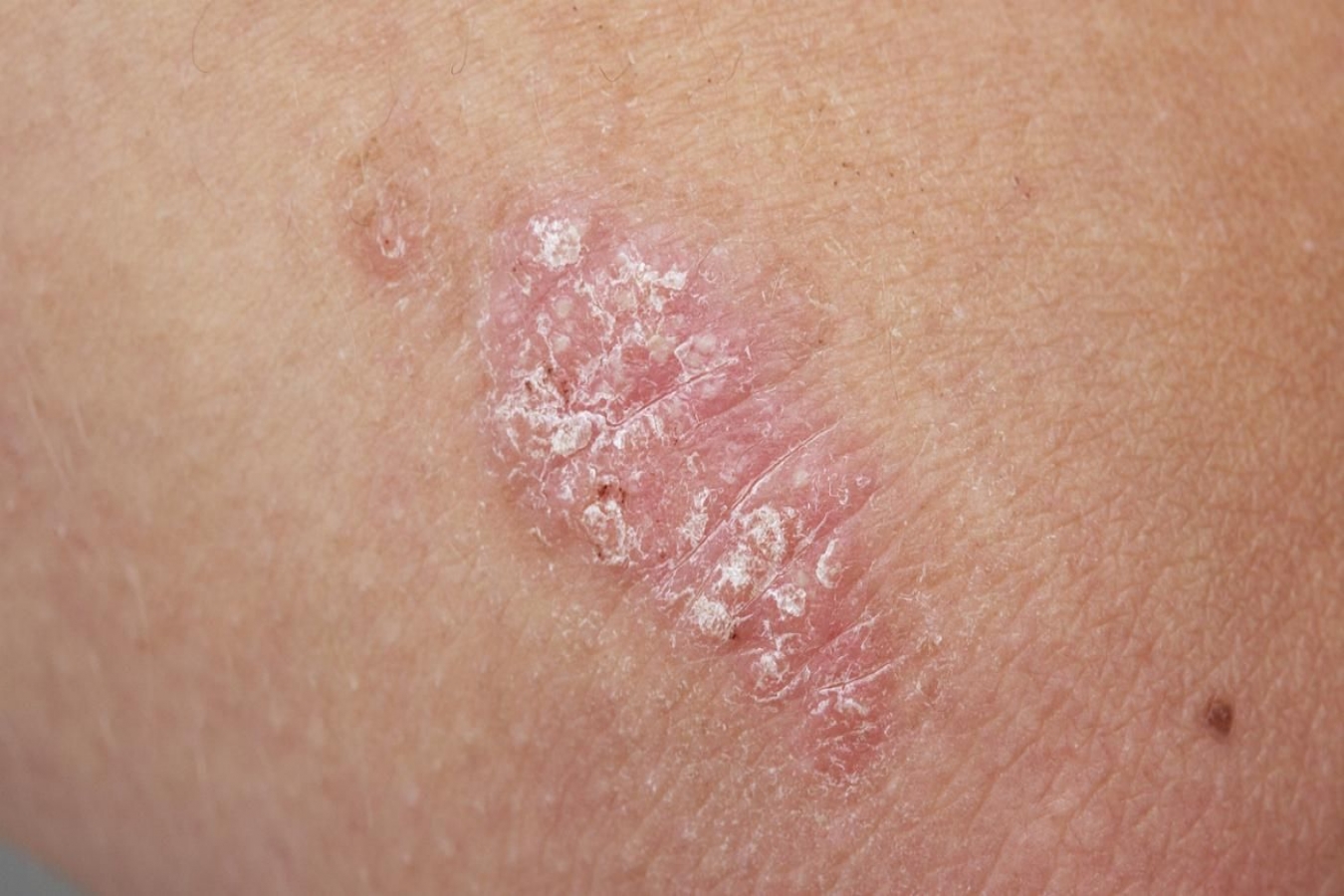
People with psoriasis may be at greater risk of developing certain gut disorders, a new study finds.
The research discovered that people with psoriasis, an inflammatory skin condition, were about two times more likely to develop the gut disorders Crohn's disease and ulcerative colitis compared to people in the general population. Both Crohn's disease and ulcerative colitis are types of inflammatory bowel disease (IBD), a condition in which people experience chronic inflammation in the gastrointestinal (GI) tract, according to the Centers for Disease Control and Prevention.
The findings suggest a significant link between these conditions, and "patients with psoriasis should be informed about the increased risk of IBD," the researchers, from Chang Gung Memorial Hospital in Taiwan, wrote in the Oct. 24 issue of the journal JAMA Dermatology. If patients with psoriasis have bowel symptoms, those individuals may need to consult with gastroenterologists, the authors said.
Both psoriasis and IBD are chronic conditions that are thought to be due to problems with the immune system. With psoriasis, the body's immune system becomes overactive, which leads to swelling and unusually fast development of new skin cells, according to the National Institutes of Health. With IBD, the immune system responds to triggers from the environment that wouldn't normally cause a reaction, which leads to inflammation in the gut, according to the CDC.
Previous studies have also suggested that the same genes may be involved in the development of both psoriasis and IBD, the study authors said.
In the new study, the researchers analyzed information from nine previous studies involving more than 7 million people in total. These studies compared people with psoriasis to people without the condition or to those in the general population.
The study found that people with psoriasis were 2.5 times more likely to develop Crohn's disease and 1.7 times more likely to develop ulcerative colitis, compared with the controls.
The link between these conditions may be due to shared underlying genetic abnormalities or immune system problems, the researchers said. The link could also be related to problems with the microbiome; indeed, a 2015 study found that people with psoriasis have a decreased diversity of bacteria in their guts, similar to what is seen in patients with IBD.
Still, the study found only an association between psoriasis and IBD; the results cannot determine the reason for the link or prove that psoriasis and IBD share common causes, the researchers said.
In addition, the studies included in the analysis mainly involved people from Western countries, so further research is needed to examine the link in other populations, the authors said.
By Rachael Rettner, Live Science
Reality Of Islam |
|
A new gener

Building a

Now in spac

NASA’
 9:3:43
2018-11-05
9:3:43
2018-11-05
10 benefits of Marriage in Islam
7:5:22
2019-04-08
benefits of reciting surat yunus, hud &
9:45:7
2018-12-24
advantages & disadvantages of divorce
11:35:12
2018-06-10
6:0:51
2018-10-16
6:14:17
2018-06-21
1:34:8
2022-02-01
10:43:56
2022-06-22
8:15:37
2023-02-16
2:34:48
2022-01-18
3:42:22
2021-12-24
11:11:59
2023-02-01
5:41:46
2023-03-18
| LATEST |
 HOME
HOME