الوضع الليلي


 11:57:8
  2026-05-17
  929
929
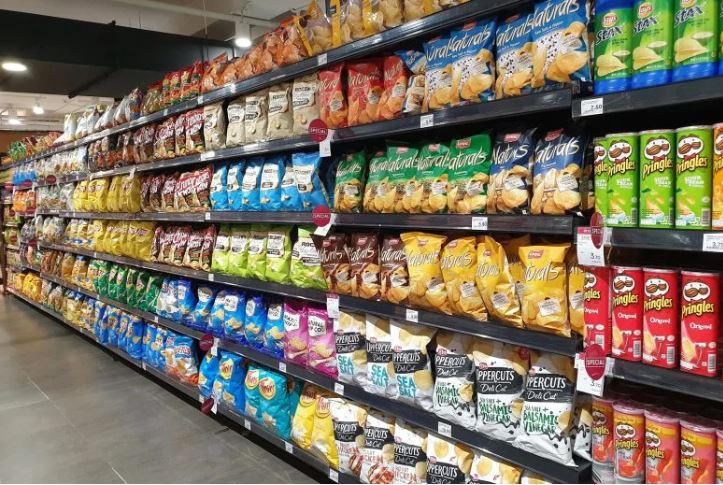
Heart experts say ultra-processed foods could be quietly fueling a global rise in heart disease and early death.
A growing body of research is linking ultra-processed food (UPF) consumption to a higher risk of heart disease and death, according to a new report published in the European Heart Journal. The report combines findings from studies across Europe examining how UPFs affect cardiovascular health.
Researchers say eating large amounts of ultra-processed foods is now associated with obesity, diabetes, high blood pressure, chronic kidney disease, and cardiovascular death.
The experts behind the report are urging doctors to ask patients about their intake of ultra-processed foods and provide guidance on how to cut back.
The clinical consensus statement was developed by the European Society of Cardiology’s Council for Cardiology Practice and the European Association of Preventive Cardiology, along with a team of specialists led by Professor Luigina Guasti from the University of Insubria, Varese, Italy; Dr. Marialaura Bonaccio, IRCCS NEUROMED, Pozzilli, Italy; Professor Massimo Piepoli, University of Milan, Italy; and Professor Licia Iacoviello, LUM University, Casamassima, Italy.
Ultra-Processed Foods and Heart Disease
Professor Guasti said: “UPFs, made from industrial ingredients and additives, have largely replaced traditional diets. Research suggests these foods are linked to several risk factors for cardiovascular disease, such as obesity, diabetes, and high blood pressure, and to the risk of developing and dying from heart disease. However, this evidence has not yet made its way into the advice we give to patients on healthy eating.
“We hope that this consensus statement from the European Society of Cardiology will help doctors recognize UPFs as a potential risk factor and provide clear guidance to their patients on limiting UPFs to prevent cardiovascular risk factors, disease and death.”
Key Findings From the Report
The researchers highlighted several major findings from the available evidence:
Doctors Encouraged To Discuss UPFs With Patients
The report’s authors say more needs to be done to improve public awareness of ultra-processed foods through clearer food labeling, stronger food regulations, and updated dietary guidelines.
They also recommend that doctors treating people with cardiovascular disease, or individuals at higher risk, ask specifically about UPF intake when evaluating patients’ diets.
The researchers further advise healthcare professionals to discuss reducing UPF consumption alongside recommendations about exercise, smoking, alcohol use, and healthy eating habits. They also note that foods marketed as “healthier” choices can still be ultra-processed.
According to the authors, evidence connecting UPFs to cardiovascular disease has remained consistent across large and diverse populations. However, they caution that most of the current research comes from observational studies, while long-term intervention trials remain limited.
Why Researchers Are Concerned About UPFs
Dr. Bonaccio adds: “The associations between UPF and heart disease are consistent and biologically plausible. UPFs raise cardiovascular risk mainly by promoting obesity, diabetes, hypertension, and the build-up of unhealthy fats in the blood. UPFs tend to be high in sugar, salt, and unhealthy fats. They also have additives, contaminants and an altered food structure, which may trigger inflammation, metabolic disruption, gut microbiome changes and overeating.
“We need long-term intervention trials to test whether reducing UPFs improves cardiovascular health. More research is also needed to understand the effects of specific additives, processing compounds, and food structures on heart health. Future studies could focus on implementing UPF-focused dietary interventions in clinical practice.
“The research on UPFs has been accumulating for a decade, and it highlights the risks of high UPF consumption and the benefits of choosing whole or minimally processed foods. This emphasizes that disease prevention should not focus solely on nutrients, but also on the degree of food processing. Even foods with good nutritional profiles can be harmful if highly processed. Integrating UPF awareness into routine medical care could improve patient’s health without adding significant cost or time.”
Reality Of Islam |
|
A new gener

Building a

Now in spac

NASA’
 9:3:43
2018-11-05
9:3:43
2018-11-05
10 benefits of Marriage in Islam
7:5:22
2019-04-08
benefits of reciting surat yunus, hud &
9:45:7
2018-12-24
advantages & disadvantages of divorce
11:35:12
2018-06-10
6:0:51
2018-10-16
4:2:19
2022-10-10
al-hussain (peace be upon him)
10:18:1
2022-09-21
9:39:36
2022-12-28
3:18:29
2022-12-24
12:47:1
2022-12-20
8:3:0
2018-06-21
12:10:56
2022-11-17
5:41:46
2023-03-18
| LATEST |
 HOME
HOME