الوضع الليلي


 3:21:40
  2025-11-24
  1520
1520
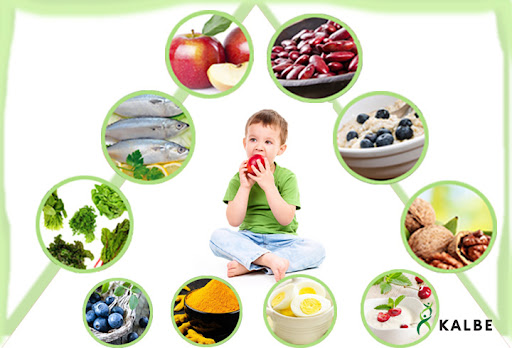
As fast as children whiz from classroom to activity to home and back again, their brains are just as actively and dramatically growing and changing.
"These years are critical for brain development, and what they eat affects focus and cognitive skills," psychiatrist Drew Ramsey, MD, coauthor of The Happiness Diet, says.
Food is one of many factors that affect a child's brain development.
The following 10 foods can help kids stay sharp all day long, and affect brain development well into the future.
1. Eggs
Eating a high-nutrient protein like eggs (which have nutrients including choline, omega-3s, zinc, and lutein) will help kids concentrate, Beth Saltz, RD, says.
2. Greek Yogurt
Fat is important to brain health, says Laura Lagano, RD. A full-fat Greek yogurt (which has more protein that other yogurts) can help keep brain cell membranes flexible, helping them to send and receive information.
3. Greens
Full of folate and vitamins, spinach and kale are part of a healthy diet linked to lower odds of getting dementia later in life. "Kale contains sulforaphane, a molecule that has detoxifying abilities, and diindolylmethane, which helps new brain cells grow," says Ramsey, coauthor of 50 Shades of Kale.
4. Purple Cauliflower
Low in sugar, high in fiber, and full of folate and B6 that help regulate mood, memory, and attention, purple cauliflower also delivers inflammation-fighting nutrients called anthocyanins.
5. Fish
Naturally fatty fish are a good source of vitamin D and omega-3s, which protect the brain against cognitive decline and memory loss. Salmon, tuna, and sardines are all rich in omega-3s.
"The more omega-3s we can get to the brain, the better it will function and the better kids will be able to focus," says Bonnie Taub-Dix, RD, author of Read It Before You Eat It.
6. "Clean" Meat
"Animal fat is where pesticides and antibiotics are stored. A high toxic load can contribute to brain fog," Lagano says. For better behavior and focus, choose meats (and other foods) that are free of artificial ingredients, dyes, flavoring, preservatives, and sweeteners.
7. Nuts and Seeds
Packed with protein, essential fatty acids, and vitamins and minerals, nuts and seeds may boost mood and keep your nervous system happy.
8. Oatmeal
Protein- and fiber-rich oatmeal helps keep heart and brain arteries clear. In one study, kids who ate sweetened oatmeal did better on memory-related academic tasks than those who ate a sugary cereal.
9. Apples and Plums
Kids often crave sweets, especially when they're feeling sluggish. Apples and plums are lunchbox-friendly and contain quercetin, an antioxidant that may fight cognitive decline, according to lab studies.
10. Turmeric
"The curcumin in turmeric can actually make the brain grow," Ramsey says. He says studies show curcumin fights inflammation and blocks Alzheimer's plaque formation.
Reality Of Islam |
|
A new gener

Building a

Now in spac

NASA’
 9:3:43
2018-11-05
9:3:43
2018-11-05
10 benefits of Marriage in Islam
7:5:22
2019-04-08
benefits of reciting surat yunus, hud &
9:45:7
2018-12-24
advantages & disadvantages of divorce
11:35:12
2018-06-10
6:0:51
2018-10-16
8:30:23
2022-03-03
6:14:17
2018-06-21
2:13:43
2022-05-27
7:32:24
2022-02-14
8:21:9
2018-06-21
8:25:12
2022-03-09
2:5:14
2023-01-28
5:41:46
2023-03-18
| LATEST |
 HOME
HOME