
الوضع الليلي


 10:44:18
 2025-06-14
 2161
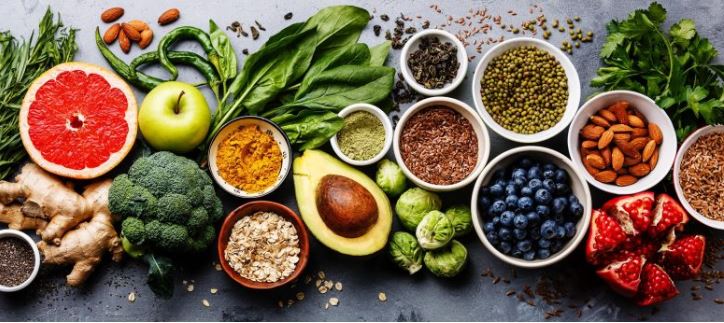
A compound abundant in nuts, vegetables, fruits, and whole grains has been linked to improved metabolic health and lower levels of inflammation.
Heart disease and type 2 diabetes are two of the leading causes of death and long-term health problems in the United States. Now, a new study highlights how eating more plant-based foods could make a real difference. Specifically, researchers have identified a compound in plants that may help lower your risk of both conditions.
The compound is called phytosterol. It is found naturally in foods like fruits, vegetables, nuts, and whole grains, and it has a structure similar to cholesterol.
According to the study, people who consumed more phytosterol had a significantly lower risk of developing heart disease and type 2 diabetes. Those with higher intake also showed signs of better blood sugar control, less inflammation, and even changes in their gut bacteria that may support a healthier metabolism.
“Our findings support the dietary recommendation of adhering to healthy plant-based dietary patterns that are rich in vegetables, fruits, nuts and whole grains,” said Fenglei Wang, PhD, research associate at the Harvard T.H. Chan School of Public Health. “These findings can help people make informed dietary choices.”
Wang presented the findings at NUTRITION 2025, the flagship annual meeting of the American Society for Nutrition held May 31–June 3 in Orlando, Florida.
A Dietary Approach to Phytosterols
While previous research has shown that phytosterols can help to improve health by lowering low-density lipoprotein (LDL), or “bad,” cholesterol, most clinical trials have used high doses of phytosterols, beyond what one would obtain through diet alone. The new study is among the first to show the benefits of phytosterols as part of a normal diet.
Wang and colleagues pooled data from three studies that collectively involved over 200,000 U.S. adults. All of the study participants were nurses or other health professionals, and almost 80% were women. During a follow-up period of up to 36 years, over 20,000 study participants developed type 2 diabetes, and nearly 16,000 developed heart disease.
Based on food-frequency questionnaires, researchers estimated each participant’s intake of total phytosterols and three individual phytosterols: β-sitosterol, campesterol, and stigmasterol. Participants in the top quintile for phytosterol intake consumed about 4-5 servings of vegetables, 2-3 servings of fruit, two servings of whole grains, and half a serving of nuts per day.
Compared with those in the bottom quintile for phytosterol intake, those in the top quintile were 9% less likely to develop heart disease and 8% less likely to develop type 2 diabetes. Similar associations were observed for β-sitosterol, but not for campesterol or stigmasterol.
Blood Biomarkers and Metabolites
The researchers also analyzed the metabolites (products of metabolism) present in blood samples from over 11,000 study participants and other metabolic biomarkers in blood samples from over 40,000 participants. They found that total phytosterol and β-sitosterol were associated with favorable metabolites and metabolic markers relevant to heart disease and diabetes, pointing to a possible mechanism behind the association.
“Our clinical biomarker and metabolomic results suggest the involvement of insulin activity, inflammation and the metabolism of metabolites associated with type 2 diabetes and cardiovascular disease,” said Wang. “This suggests that phytosterol might reduce risk by alleviating insulin resistance and inflammation.”
The researchers also examined the makeup of the gut microbiome and associated enzymes in a subset of 465 study participants. They identified several microbial species and enzymes associated with higher phytosterol intake that may influence the production of metabolites associated with a lower risk of diseases.
“We found that the gut microbiome might play a role in the beneficial associations. Some species, such as Faecalibacterium prausnitzii, carry enzymes that could help degrade phytosterol, potentially influencing host metabolism,” said Wang.
Researchers noted that the study was observational and not designed to definitively confirm causation, but added that combining findings from epidemiological data, biomarkers, and microbiome data strengthens the evidence.
Reality Of Islam |
|

By filling

Scientists

A simple ch

Researchers
 9:3:43
2018-11-05
10 benefits of Marriage in Islam
7:5:22
2019-04-08
benefits of reciting surat yunus, hud &
9:45:7
2018-12-24
advantages & disadvantages of divorce
11:35:12
2018-06-10
6:0:51
2018-10-16
2:2:13
2022-10-08
2:13:43
2022-05-27
2:5:14
2023-01-28
8:25:12
2022-03-09
1:16:44
2018-05-14
8:21:9
2018-06-21
10:55:53
2022-06-13
5:41:46
2023-03-18
| LATEST |
 HOME






















