الوضع الليلي


 6:41:50
  2025-03-11
  1704
1704

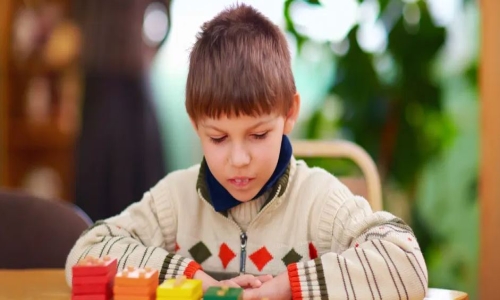
By age 7, the brain has done some serious reprogramming and is getting down to the business of learning. By this time, most children who have been raised to listen and empathize respectfully can manage their emotions well enough to avoid tantrums. And as they get better at managing their emotions, they get better at managing their behavior.
But that doesn’t mean that kids between the ages of six and nine are always good. They need constant reminders to do the simplest things. They don’t accept losing. They fight with their siblings. They worry about their peer interactions and take their anxiety out on us. Some of these problems stem from their increasingly complex social worlds. Others—like the famous sibling squabbles—are rooted in the overwhelming emotions they’re still learning to manage. But most of the conflicts we have with elementary school children stem from our different needs. We focus on doing their homework, brushing their teeth, completing chores, and following the hundreds of instructions we give them every day. They focus on perfecting that soccer kick, making friends, or whether their sibling is getting better treatment. No wonder we often find ourselves frustrated.
Many of our conflicts with our school-age children can be resolved with more structure and more direct interaction. Pointing to the chart on the wall reminds your 6-year-old to brush her teeth and put her lunch in her backpack before she heads to school. A consistent daily routine of snacking and doing homework as soon as she gets home helps your 7-year-old learn to force herself to sit down to do an unpleasant task. Working with your 8-year-old on Saturday mornings to organize her room while having a friendly conversation helps her establish that habit.
If your child has been supported to notice and repair the cracks in her relationships, rather than being forced to grudgingly apologize, she’ll likely do so automatically by this time. If you haven’t, it’s time to use the three Cs of atonement: reflection, repair, and responsibility. Instead of parental consequences, empower your child to take initiative of their own choosing in which they take responsibility for something they did that caused harm. When they break something, help replace it. When they damage a relationship, they take responsibility for fixing it. But remember, if you make a deal and force it on them, they’ll probably reject it. Instead, make it an opportunity for them to learn that we all make mistakes—and we can always do something to make things better.
Reality Of Islam |
|

A new gener

Building a

Now in spac

NASA’
 9:3:43
2018-11-05
9:3:43
2018-11-05
10 benefits of Marriage in Islam
7:5:22
2019-04-08
benefits of reciting surat yunus, hud &
9:45:7
2018-12-24
advantages & disadvantages of divorce
11:35:12
2018-06-10
6:0:51
2018-10-16
5:58:12
2021-12-18
11:34:48
2022-06-29
8:4:21
2022-01-08
8:39:51
2022-09-23
7:26:19
2022-04-08
12:10:56
2022-11-17
2:34:48
2022-01-18
5:41:46
2023-03-18
| LATEST |
 HOME
HOME