الوضع الليلي


 3:8:51
  2024-11-28
  1564
1564
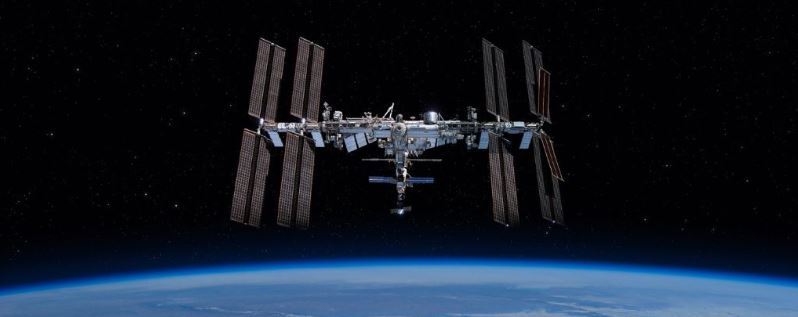
When the latest cargo 'shipment' docked at the International Space Station (ISS) this weekend, it delivered more than astronauts had bargained for.
Along with food, water, clothing, medical and hygiene supplies, and scientific equipment, the uncrewed Russian spacecraft burped up quite an unusual stench.
Wafting through the open hatch, astronauts caught an unexpected and strange smell. They also saw small droplets floating in the air.
The hatch was quickly closed again, and air scrubbers got to work. The next day, contaminant sensors reported normal air quality.
This might seem like a lot of bother for one funny odor, but on a confined spacecraft, there's no room for funky smells.
Nose-scrunching aromas can be a red flag for toxic materials, and even the safest of stenches can build to intolerable levels when there's no escape.
In this case, the odor emanating from the Progress cargo spacecraft was worrisome enough that Russian astronauts donned protective equipment while the air was being cleaned, according to the reporting of Anatoly Zak of the independent news site Russian Space Web.
"There are no concerns for the crew," reports the official ISS X account, "and as of Sunday afternoon, the crew is working to open the hatch."
Even on a typical day, the ISS doesn't smell so good. Some astronauts have compared the station's stench to a mix of burnt steak and body odor, and that's after a panel of experts carefully smell tested each and every item sent up there.
But even if a material smells okay on Earth, it could have a different aroma in space. That's because of a concept known as outgassing, which is what gives that 'new car' smell to freshly made vehicles.
In a statement to CNN, NASA officials attributed the Progress spacecraft's recent odor and droplets to this phenomenon.
Outgassing can occur when a material is exposed to heat or a vacuum environment, causing it to release gases or water vapor that are trapped inside. These gases can sometimes be odorous, and if kept in a confined area, the smell can build.
That's why space agencies usually only allow materials with low-outgassing properties to be sent to the ISS. Volatile gases and water vapor can rust surface, cloud lenses, cause signal interference, and delicate instruments, not to mention their potential threats to astronaut health.
On the Apollo 8 mission to the Moon, a silicon rubber seal began to outgas severely, contaminating a large observation window temporarily beyond use.
Thankfully, nothing so significant has happened this time, but the offending material remains unknown, and there is a chance the problem has to do with the docking mechanism, not anything within Progress itself.
If that's true, then the smell could linger, even after Progress heads back to Earth.
Reality Of Islam |
|

A new gener

Building a
Now in spac
NASA’
 9:3:43
2018-11-05
9:3:43
2018-11-05
10 benefits of Marriage in Islam
7:5:22
2019-04-08
benefits of reciting surat yunus, hud &
9:45:7
2018-12-24
advantages & disadvantages of divorce
11:35:12
2018-06-10
6:0:51
2018-10-16
1:38:41
2021-12-08
2:13:43
2022-05-27
6:28:21
2022-12-20
al-hussain (peace be upon him)
10:18:1
2022-09-21
3:18:29
2022-12-24
12:10:56
2022-11-17
2:2:13
2022-10-08
5:41:46
2023-03-18
| LATEST |
 HOME
HOME