
الوضع الليلي


 1:37:44
 2024-07-21
 1918
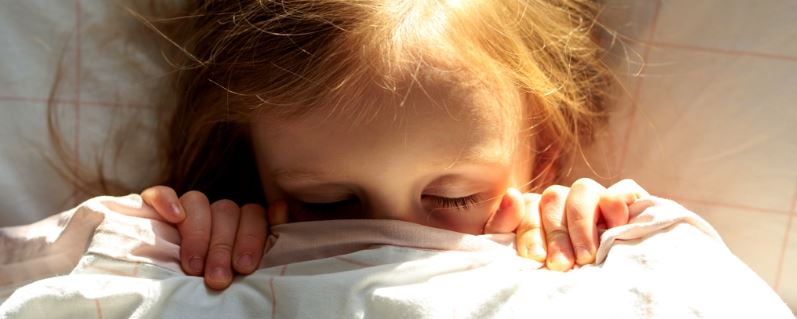
Shorter sleep and later bedtimes are linked to potentially harmful functional changes to parts of the brain important for coping with stress and controlling negative emotions, our recently published research found.
And children in families with low economic resources are particularly at risk.
We are neuroscientists who are passionate about reducing socioeconomic disparities in child development.
To better understand how socioeconomic disadvantage affects sleep health and brain development in children, we recruited 94 5- to 9-year-old children from socioeconomically diverse families living in New York. About 30% of the participating families had incomes below the U.S. poverty threshold.
We asked parents to report on their child's sleep environment, the consistency of their family routines, and their child's bedtime and wake-up time. We also had children complete a magnetic resonance imaging scan of their brains to analyze the size of a brain region called the amygdala and the strength of its connections with other regions of the brain.
The amygdala plays a critical role in processing emotions and the amount of negative emotion a person experiences. Adversity experienced early in life can affect how the amygdala works.
We found that children in families with low economic resources were getting less sleep at night and going to sleep later compared with children in families with higher economic resources.
In turn, shorter sleep and going to sleep later were associated with reduced amygdala size and weaker connections between the amygdala and other emotion-processing brain regions. This link between socioeconomic disadvantage, sleep duration and timing, and amygdala size and connectivity was found in children as young as 5.
Our results suggest that both amount and timing of sleep matter for the functioning of these brain regions involved in emotion processing.
Why it matters
Not getting enough sleep increases the risk of developing mental health problems and interferes with academic achievement. Reduced sleep may make it harder for children to cope with stress and manage their emotions.
Children from families or neighborhoods with low socioeconomic resources may be at increased risk for stress-related mental health problems due in part to the negative effects of their environment on sleep health.
During childhood, the brain develops at a fast pace. Because of this, childhood experiences can have effects on brain function that last a lifetime. Problems from childhood can continue throughout life.
Our findings reinforce the importance of ensuring all families have sufficient economic resources to provide for their children. Research suggests that income supplements for families in need can help support children's brain function, along with their mental health and academic outcomes.
What still isn't known
Why do socioeconomically disadvantaged environments make it hard for children to sleep?
Our research suggests that parents who were struggling to make ends meet had a harder time maintaining consistent family routines, possibly leading to less consistent bedtime routines, which may have contributed to children getting less sleep.
However, there are likely multiple factors connecting socioeconomic disadvantage and poor sleep quality, such as not being able to afford a comfortable bed, overcrowding, neighborhood noise, excessive light and heat.
What's next
Most sleep research has focused on teens, who are especially at risk for poor sleep. However, our results suggest that environmental effects on sleep patterns and habits start a lot earlier.
Interventions to improve sleep may need to start earlier than adolescence to be optimally effective. Bolstering economic resources for families in need may also be key to supporting children's sleep health, brain development and emotional well-being.
Reality Of Islam |
|

By filling

Scientists

A simple ch

Researchers
 9:3:43
2018-11-05
10 benefits of Marriage in Islam
7:5:22
2019-04-08
benefits of reciting surat yunus, hud &
9:45:7
2018-12-24
advantages & disadvantages of divorce
11:35:12
2018-06-10
6:0:51
2018-10-16
8:4:21
2022-01-08
6:14:3
2023-01-18
al-hussain (peace be upon him)
10:18:1
2022-09-21
the happy life of mankind requirement
6:36:36
2022-01-25
8:3:0
2018-06-21
7:26:19
2022-04-08
1:34:8
2022-02-01
5:41:46
2023-03-18
| LATEST |
 HOME






















