الوضع الليلي


 1:35:34
  2024-07-21
  2083
2083
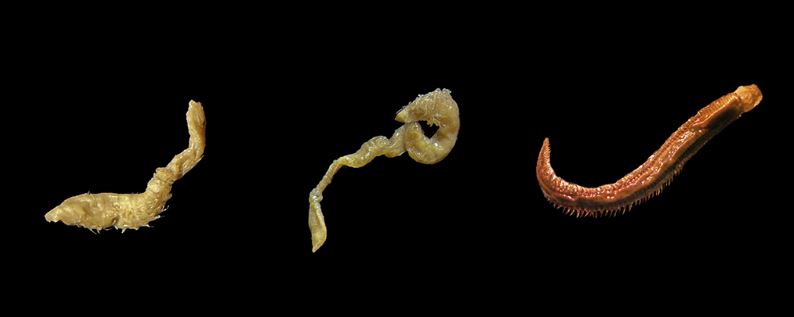
When you're trying to survive in the freezing wilderness of Antarctica, you need all the help you can get – and it seems that some marine worms stay alive by forming relationships with bacteria that produce a sort of natural antifreeze.
These bacteria end up living inside the worms, and in return for the hospitality, they secrete protein substances to protect against the icy water temperatures.
It's an important step forward in our understanding of the relationships between microbes and the organisms they have a mutually beneficial link to, according to the team behind the study, which was made up of researchers from multiple institutions in Italy.
"Multicellular organisms in the oceans live in close association with their microbiomes, which provide their hosts with key functions including nutrient supply, defense mechanisms, and even additional metabolic pathways," write the researchers in their published paper.
The team traveled to several coastal areas in Antarctica to pick up sediment samples, finding the three worms: polychaetes (Leitoscoloplos geminus, Aphelochaeta palmeri, and Aglaophamus trissophyllus ). The average water temperature was 1 °C below freezing, too cold for these worms to survive on their own.
Enter the Meiothermus and Anoxybacillus bacteria, working to combat freezing from inside the worms.
Specifically, proteins in these bacteria produce the chemicals proline and glycol, which lower the freezing point of their internal liquids, preventing ice from forming within their cells, just as antifreeze does inside liquids.
Other creatures in these extreme environments can produce similar antifreeze proteins themselves, with icefish being one example. It would seem that these worms need a little symbiotic help from the local bacteria.
"These findings suggest that the bacterial core members of Antarctic polychaetes are driven by the biological interactions between hosts and associated bacteria," write the researchers.
The researchers think this relationship has been going on for a long, long time – perhaps helping these species to establish themselves in Antarctica – with generations of these marine worms passing the bacteria on down through the generations. However, more research will be needed to confirm that.
As for how this new knowledge might be applied, one area where it could be used is in the field of cryopreservation: keeping cells preserved but alive in freezing temperatures. Of course, it also gives us fresh insight into the delicate balance of marine life in Antarctica, a balance that continues to be threatened by increasing temperatures.
We know that living in these conditions means various kinds of adaptation to make the most of what resources are available, and to combat the conditions that would otherwise make life in the icy wastes impossible.
"The findings of this study open wider perspectives on the comprehension of the mechanisms of adaptation and cryo-resistance of marine invertebrates mediated by associated bacteria," write the researchers.
Reality Of Islam |
|
A new gener

Building a

Now in spac

NASA’
 9:3:43
2018-11-05
9:3:43
2018-11-05
10 benefits of Marriage in Islam
7:5:22
2019-04-08
benefits of reciting surat yunus, hud &
9:45:7
2018-12-24
advantages & disadvantages of divorce
11:35:12
2018-06-10
6:0:51
2018-10-16
4:26:43
2022-02-21
7:45:39
2018-06-21
7:26:19
2022-04-08
11:2:27
2022-10-06
12:10:56
2022-11-17
2:13:43
2022-05-27
a hero waters thirsty wild animals
9:4:9
2022-01-06
5:41:46
2023-03-18
| LATEST |
 HOME
HOME