الوضع الليلي


 3:57:5
  2024-06-15
  2322
2322
This vice consists of attributing the misfortunes befalling someone to his unsavoury acts, delighting in his misfortunes, and blaming him for his misfortune. This vice is usually caused by jealousy or the Power of Passion.
Shamatah has been severely condemned in a large number of traditions, and it has been said that, firstly, shamatah causes the culprit who engages in it to fall victim to the same misfortunes he so delights in when they befall others; secondly, his shamatah hurts the feelings of his brother in faith, and is therefore a cause for Divine punishment; thirdly, the fact that a misfortune has befallen someone does not mean that he has committed an evil act; it may be a Divine test which may occur even in case of those closest to Allah.
Reality Of Islam |
|
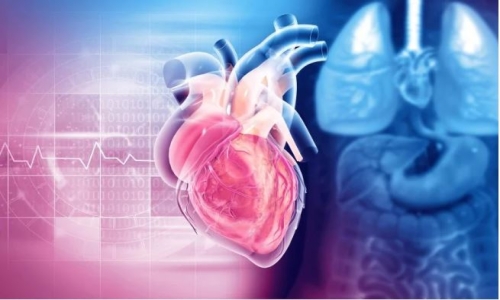
A new gener
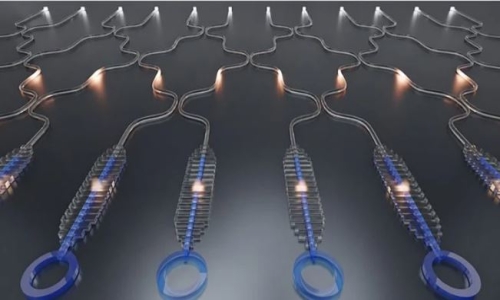
Building a
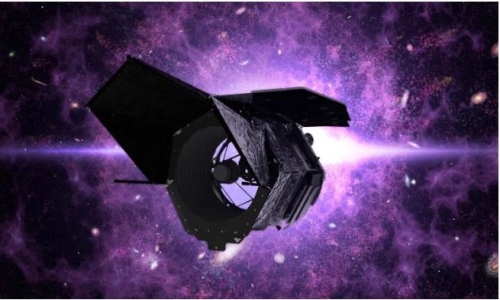
Now in spac
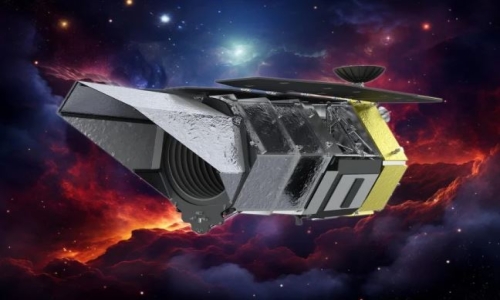
NASA’
 9:3:43
2018-11-05
9:3:43
2018-11-05
10 benefits of Marriage in Islam
7:5:22
2019-04-08
benefits of reciting surat yunus, hud &
9:45:7
2018-12-24
advantages & disadvantages of divorce
11:35:12
2018-06-10
6:0:51
2018-10-16
6:14:17
2018-06-21
al-hussain (peace be upon him)
10:18:1
2022-09-21
2:2:13
2022-10-08
2:13:43
2022-05-27
7:26:19
2022-04-08
10:43:56
2022-06-22
8:19:41
2018-06-21
5:41:46
2023-03-18
| LATEST |
 HOME
HOME