الوضع الليلي


 7:23:12
  2018-10-22
  2962
2962
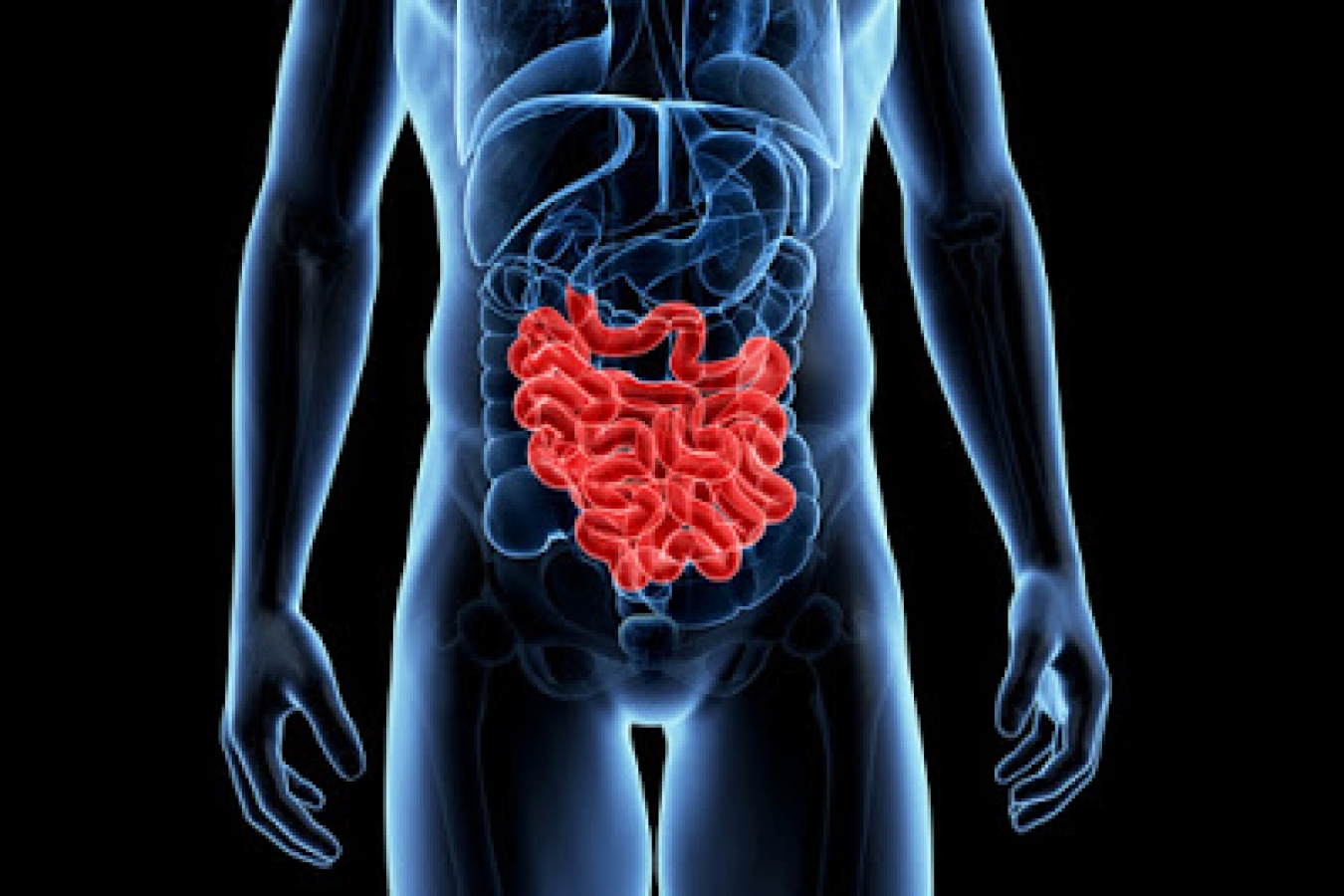
The small intestine, despite its name, is the longest part of the gastrointestinal tract. It works with other organs of the digestive system to further digest food after it leaves the stomach and to absorb nutrients. The entire digestive system works together to turn the food you eat into energy.
The small intestine is a long, winding tube connected to the stomach on one end and the large intestine on the other. According to the Medical University of South Carolina (MUSC) Digestive Disease Center, the small intestine is only about as big around as a middle finger (approximately 1 inch or 2.5 centimeters) and is from 20 to 25 feet (6 to 7.6 meters) long in an adult.
Food comes into the small intestine from the stomach through the uppermost part of the small intestine, known as the duodenum, according to the Children’s Hospital of Pittsburgh (UPMC). This section of the small intestine makes up about one-fifth of the total length of the organ and receives a semisolid sludge of partially digested food from the stomach. Bile and enzymes from the liver, pancreas and gallbladder help further break down the food in the duodenum.
The middle section, about two-fifths of the length of the small intestine, is called the jejunum, and the last section is the ileum. The primary function of both of these sections is to absorb nutrients into the bloodstream. Both the jejunum and the ileum have linings with many folds that increase the surface area of the small intestine (about 2,700 square feet or 250 square meters) for maximized nutrient absorption. These folds contain tiny, finger-like cells known as villi, which are each covered with a layer of microvilli (microscopic hair-like structures) that further increase the surface area available for nutrient absorption.
Once the digested food leaves the ileum, more than 95 percent of the nutrients (such as vitamins, minerals, proteins and carbohydrates) the body needs has been absorbed. What's left moves on to the large intestine, according to the MUSC Digestive Disease Center.
The small intestine can become diseased or problematic in many ways. According to the U.S. National Library of Medicine (NLM), disorders of the small intestine include bleeding, celiac disease, Crohn's disease, infections, intestinal cancer, intestinal obstruction and blockage, irritable bowel syndrome, ulcers, pain, and bacterial overgrowth.
According to the Cleveland Clinic, a few factors can increase the risk of developing problems with the small intestine: eating diets that are low in fiber, not getting enough exercise, experiencing stress or changes in routine, eating large amounts of dairy, resisting the urge to have a bowel movement, taking certain medications, and being pregnant.
Gluten-free diets have been touted as a great way to improve small intestine health. However, this is true for only a small number of people, those who have celiac disease, an immune disorder that can result in damage to the small intestine if the person eats gluten. According to National Institute of Diabetes and Digestive and Kidney Diseases, 1 in 141 people in the U.S. have celiac disease, although it is estimated that many have the disease without realizing it.
Cancer of the small intestine is very rare, with fewer than 1 in 10 cancers occurring in the gastrointestinal track, according to the American Cancer Society (ACS). About 10,470 people were diagnosed with some type of small intestine cancer in 2018, with about 1,450 people dying from the disease.
According to Harvard Health Publishing, there are many ways to help keep the small intestine, as well the rest of the gastrointestinal track, healthy. Those include not smoking, limiting alcohol and caffeine, keeping a healthy weight, eating a balanced and healthy diet, drinking enough water, exercising regularly and reducing stress.
The Division of Gastroenterology and Hepatology at NYU Langone Health suggests that in addition to taking preventative measures, it's also important to get screened for gastrointestinal abnormalities regularly, especially if there is a family history of disorders or cancer in the GI tract.
Probiotics and occasional bowel stimulants may also help keep the small intestine healthy. But it is important to discuss these options with your doctor to find the best option and avoid any unnecessary side effects.
By Alina Bradford, Live Science
Reality Of Islam |
|
A new gener
Building a

Now in spac

NASA’
 9:3:43
2018-11-05
9:3:43
2018-11-05
10 benefits of Marriage in Islam
7:5:22
2019-04-08
benefits of reciting surat yunus, hud &
9:45:7
2018-12-24
advantages & disadvantages of divorce
11:35:12
2018-06-10
6:0:51
2018-10-16
11:2:27
2022-10-06
7:0:55
2022-05-17
1:16:44
2018-05-14
7:59:14
2018-06-21
6:28:21
2022-12-20
11:11:59
2023-02-01
the happy life of mankind requirement
6:36:36
2022-01-25
5:41:46
2023-03-18
| LATEST |
 HOME
HOME