الوضع الليلي


 8:55:3
  2018-10-10
  3457
3457
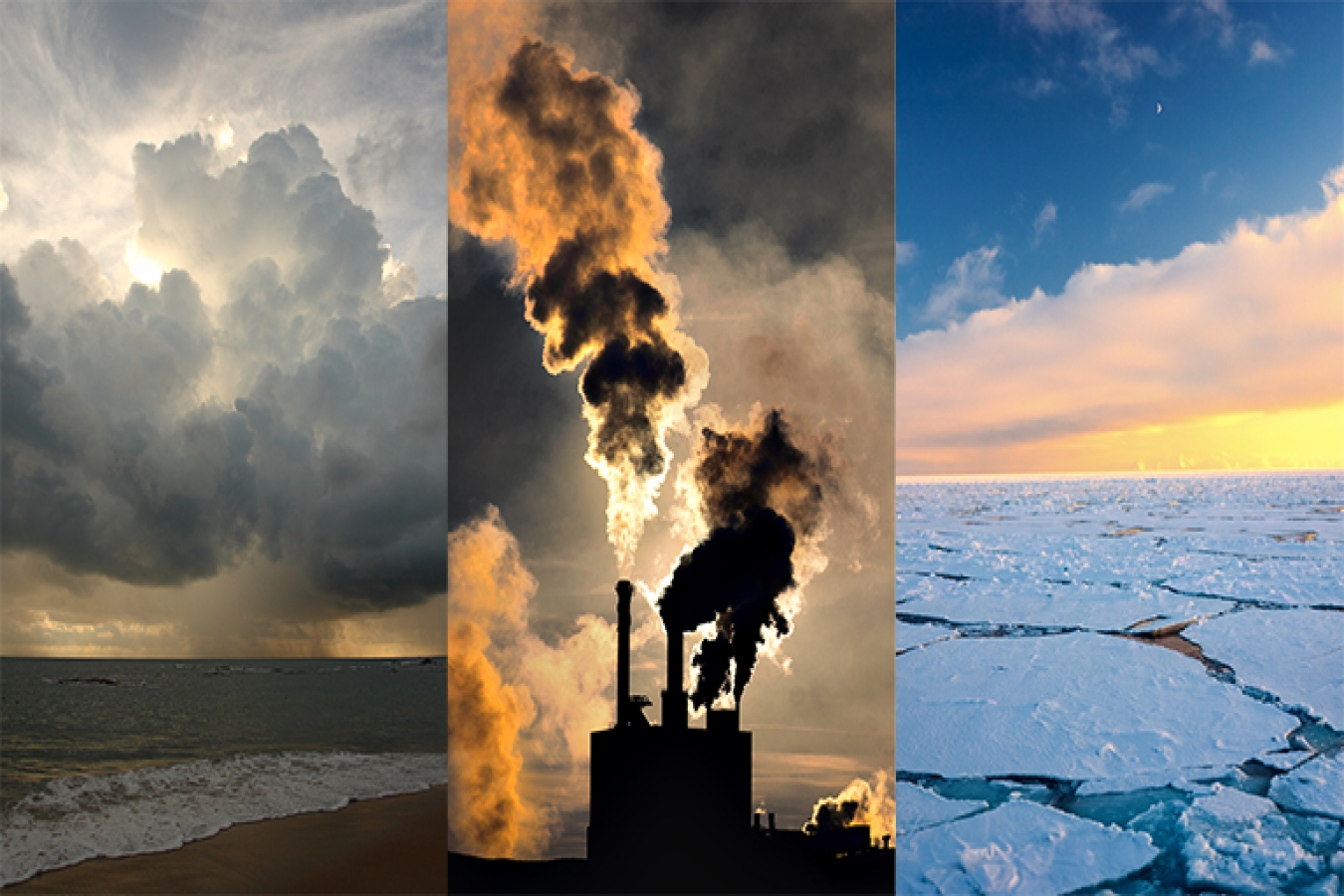
I remember discussing climate change and global warming back in High School. But back then it was merely a science topic that that teacher went over for a few days then we’d get over it.
It wasn’t given much importance.
But yesterday (sept. 9), a report was issued by the UN Intergovernmental Panel on Climate Change (IPCC), demanding governments around the world to take "rapid, far-reaching and unprecedented changes in all aspects of society" to avoid disastrous levels of global warming.
So you can tell things are getting serious and climate change isn’t something to just talk about.
The report also mentioned that our planet will reach the crucial threshold of 1.5 degrees Celsius (2.7 degrees Fahrenheit) above pre-industrial levels by as early as 2030, precipitating the risk of extreme drought, wildfires, floods and food shortages for hundreds of millions of people.
The date, which falls well within the lifetime of many people alive today, is based on current levels of greenhouse gas emissions (CO2).
Now is it time to do something about this? Or is it just a report that the media is focusing on too much?
Here are 9 simple things you can do to end global warming.
Replacing one regular light bulb with a compact fluorescent light bulb will save 150 pounds of carbon dioxide a year.
Walk, bike, carpool or take mass transit more often. You'll save one pound of carbon dioxide for every mile you don't drive!
You can save 2,400 pounds of carbon dioxide per year by recycling just half of your household waste.
Keeping your tires inflated properly can improve your gas mileage by more than 3 percent. Every gallon of gasoline saved keeps 20 pounds of carbon dioxide out of the atmosphere.
It takes a lot of energy to heat water. Use less hot water by taking shorter and cooler showers and washing your clothes in cold or warm instead of hot water (more than 500 pounds of carbon dioxide saved per year).
You can save 1,200 pounds of carbon dioxide if you reduce your garbage by 10 percent.
Moving your thermostat down just 2 degrees in winter and up 2 degrees in summer could save about 2,000 pounds of carbon dioxide a year.
A single tree will absorb one ton of carbon dioxide over its lifetime.
Simply turning off your television, DVD player, stereo, and computer, when you're not using them, will save you thousands of pounds of carbon dioxide a year.
So should we be concerned? Yes we definitely should and we should all work together and help out as the earth we live in owes us. So go out and do something positive for it, like planting a plant.
Reality Of Islam |
|
A new gener
Building a

Now in spac

NASA’
 9:3:43
2018-11-05
9:3:43
2018-11-05
10 benefits of Marriage in Islam
7:5:22
2019-04-08
benefits of reciting surat yunus, hud &
9:45:7
2018-12-24
advantages & disadvantages of divorce
11:35:12
2018-06-10
6:0:51
2018-10-16
11:34:48
2022-06-29
10:35:40
2022-05-26
3:42:22
2021-12-24
8:19:41
2018-06-21
8:25:12
2022-03-09
7:45:39
2018-06-21
8:3:0
2018-06-21
5:41:46
2023-03-18
| LATEST |
 HOME
HOME