الوضع الليلي


 12:43:16
  2023-11-02
  1753
1753
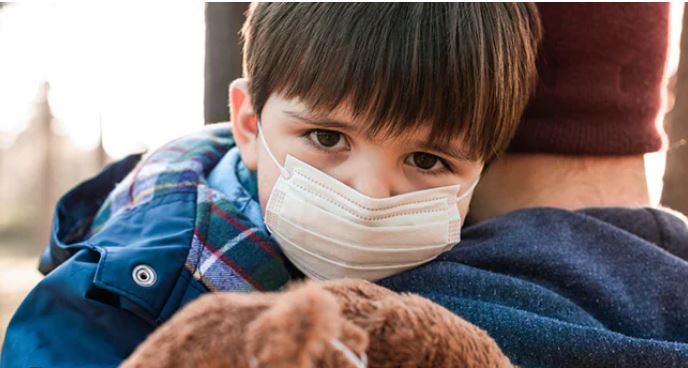
Children acquire many of their behaviors through their daily coexistence with their families, especially with their mothers, and many of their attitudes are shaped by their daily observations of the practices of their parents, older siblings, and other family members who live with them. Imitation education is almost one of the most important means of education that a family can resort to in order to build positive attitudes among children towards the environment and reinforce the values of preserving it.
If the role of the family is to protect the environment from the dangers that threaten it, then its role in addressing the problems that befall the environment is no less important than its preventive role. In the field of confronting the problem of pollution in all its forms: air pollution, water pollution, soil pollution, food pollution, electromagnetic pollution, and noise pollution, the family has an important role.
Below are some methods that the family can use to spread environmental awareness among children regarding water issues and address the problem of water pollution, for example:
- That the parents deal with water positively, so they do not waste it or pollute it, and therefore it is unreasonable for them to forbid their children from creating wasteful water and polluting it and bringing the same.
- Parents should not tire of providing advice and guidance on deficiencies in water issues, and should inform their children about the sources of water pollution and direct them to ways to confront it.
- That parents instill in their children the value of cleanliness in everything, including clean water wherever it is found.
- For parents to remind their children that man is the problem with water, because man has deviated from the proper approach in dealing with water, and has wasted, polluted, and depleted, and there will be no solution to water issues except through man himself.
- The parents should involve the children in the process of cleaning drinking water tanks and sterilizing the water, even if this is through observation, if it is not possible to carry out the action in practice.
- Parents should involve their children in inspecting the home water network, checking meters, monitoring leaks and treating them.
- Parents should involve their children in the process of informing the Water Authority of any water leakage from the main water network.
- Reducing the size of the toilet tank, by placing a full, closed, one-liter water bottle inside the tank, and informing the children about the wisdom of that.
- Using a bucket (20 liters) to wash the car, instead of a hose, and explaining the wisdom behind that.
- Organizing the irrigation of home garden plants, reducing the size of their holes, using the drip irrigation method, and explaining these procedures to children.
Reality Of Islam |
|

A new gener

Building a

Now in spac

NASA’
 9:3:43
2018-11-05
9:3:43
2018-11-05
10 benefits of Marriage in Islam
7:5:22
2019-04-08
benefits of reciting surat yunus, hud &
9:45:7
2018-12-24
advantages & disadvantages of divorce
11:35:12
2018-06-10
6:0:51
2018-10-16
8:30:23
2022-03-03
10:55:53
2022-06-13
7:26:19
2022-04-08
8:4:21
2022-01-08
10:47:11
2022-11-22
7:0:55
2022-05-17
8:15:37
2023-02-16
5:41:46
2023-03-18
| LATEST |
 HOME
HOME