
الوضع الليلي


 2:15:5
 2023-10-09
 2007
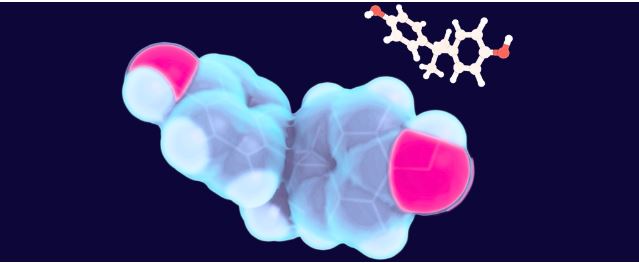
The number of kids being diagnosed with autism spectrum disorder (ASD) and attention deficit hyperactivity disorder (ADHD) has risen sharply in recent decades, and a new study points to the common plastic additive bisphenol A (BPA) as a potential reason why.
BPA is used in a lot of plastics and plastic production processes, and can also be found inside food and drink cans. However, previous research has also linked it to health issues involving hormone disruption, including breast cancer and infertility.
In this new study, researchers from Rowan University and Rutgers University in the US looked at three groups of children: 66 with autism, 46 with ADHD, and 37 neurotypical kids. In particular, they analyzed the process of
glucuronidation, a chemical process the body uses to clear out toxins within the blood through urine.
The research found that kids with ASD and ADHD couldn't clear out BPA and another similar compound called Diethylhexyl Phthalate (DEHP) with as much efficiency as other kids, potentially leading to longer exposure to their toxic effects.
"Detoxification of these two plasticizers is compromised in children with ASD and ADHD," write the researchers in their published paper. "Consequently, their tissues are more exposed to these two plasticizers."
It was only in the case of BPA that the difference was statistically significant though: the efficiency was reduced by about 11 percent for kids with ASD and 17 percent for kids with ADHD, compared with the control group of children.
The researchers think that gene mutations in certain individuals means that BPA can't be cleared as well as it needs to be, which means the substance sticks around in the body. That potentially could cause damage in terms of neuron development and operation.
Conditions like ASD and ADHD are thought to be brought on by a combination of genetic and environmental influences, and this new study brings together both of them. However, it's only part of the story - not every child with a neurodevelopmental disorder had problems flushing out BPA, so there are other factors at play, too.
Work is continuing to identify how exactly ASD and ADHD develop in people - whether it's in utero before birth for example, or later on in life - as the data isn't enough to show whether BPA exposure causes either disorder.
"There is an extensive body of epidemiological evidence for a relationship between neurodevelopmental disorders and environmental pollutants such as plasticizers," write the researchers.
"How important plasticizer originated neurodevelopmental disorder is in the overall occurrence of these disorders is not known, but it must account for a significant proportion or would not have been so easy to detect in a metabolic study of moderate size such as this study."
Reality Of Islam |
|

By filling

Scientists

A simple ch

Researchers
 9:3:43
2018-11-05
10 benefits of Marriage in Islam
7:5:22
2019-04-08
benefits of reciting surat yunus, hud &
9:45:7
2018-12-24
advantages & disadvantages of divorce
11:35:12
2018-06-10
6:0:51
2018-10-16
2:2:13
2022-10-08
8:19:41
2018-06-21
3:43:50
2022-11-05
8:4:21
2022-01-08
8:3:0
2018-06-21
2:11:12
2022-10-15
bahlool & the throne of haroun rashid
8:20:35
2018-06-21
5:41:46
2023-03-18
| LATEST |
 HOME






















