الوضع الليلي


 3:7:50
  2023-09-12
  1500
1500

Engineers have come up with a revolutionary way to convert human waste into electricity
Bioelectronics engineers have created a strain of deadly E. coli bacteria that can generate electricity as the microbe thrives in raw sewage.
Escherichia coli is known as a wide and diverse group of bacteria found in the intestines of humans and animals, as well as in nature, where they feed on decaying organic matter.
This breakthrough is expected to revolutionize sustainable energy efforts, and could turn the more than 640 billion pounds of human waste produced each year into a veritable gold mine for utility companies.
Electricity is often generated from water flowing through turbines, as with hydroelectric dams, or hot steam flowing through turbines, as with nuclear power and some coal and natural gas plants.
But this new method, which immerses two electrodes in a stream of contaminated water, uses a new, increased-energy version of the usual electrochemical activity of E. coli bacteria to generate an electrical current from the wastewater to the wires.
The researchers reported that the bioengineered E. coli bacteria were three times better at generating electrical current than conventional bacteria.
Unlike previous methods, this new strain can produce electricity by digesting or metabolizing a variety of organic materials, not just human feces.
This innovation could significantly reduce carbon dioxide emissions that have warmed the climate due to generating electricity from burning oil, coal and natural gas.
“Although there are alien microbes that produce electricity naturally, they can only do so in the presence of specific chemicals,” said Erdemis Bogosian, professor of chemical engineering at the École Polytechnique Fédérale de Lausanne (EPFL).
Bogosian and her team used a process known as extracellular electron transfer (EET) to engineer the bacteria with the goal of making them highly efficient electric microbes.
Establishing this complete EET pathway within E. coli has led to bacteria that produce electrical current at a rate 3 times greater than conventional bioelectric bacterial strategies.
This was achieved by combining components of a type of bacteria known for generating electricity, Shewanella oneidensis MR-1, with Escherichia coli bacteria.
The result was a microbe with an electrical pathway that spans the inner and outer membranes of each single-celled organism, expanding its electrical output.
The new E. coli strain demonstrated its ability to produce electricity while metabolizing a variety of organic substrates.
“The alien electric microbes weren't even able to survive, while the bioengineered electric bacteria were able to thrive exponentially by feeding on waste,” Bogosian says.
The EPFL team said the implications of their study extend beyond waste treatment. They also believe that engineered coli bacteria could help power microbial fuel cells and power special biosensors.
The research results were published in the peer-reviewed scientific journal Joule.
Reality Of Islam |
|
A new gener
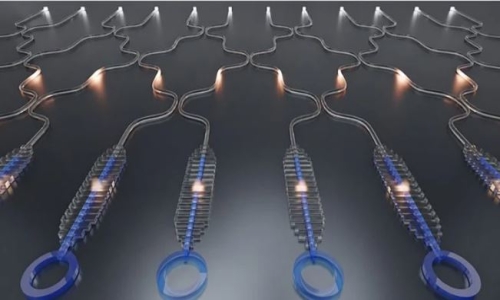
Building a
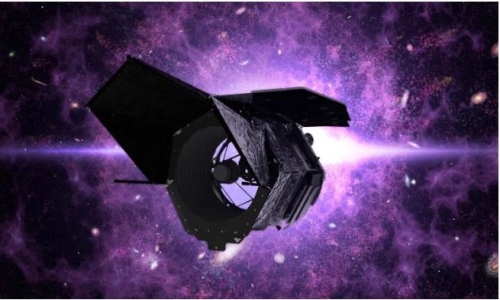
Now in spac
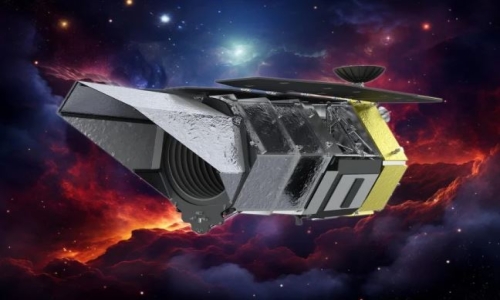
NASA’
 9:3:43
2018-11-05
9:3:43
2018-11-05
10 benefits of Marriage in Islam
7:5:22
2019-04-08
benefits of reciting surat yunus, hud &
9:45:7
2018-12-24
advantages & disadvantages of divorce
11:35:12
2018-06-10
6:0:51
2018-10-16
7:6:7
2022-03-21
9:42:16
2022-10-19
8:3:0
2018-06-21
2:11:12
2022-10-15
6:0:8
2023-03-19
11:11:59
2023-02-01
9:39:36
2022-12-28
5:41:46
2023-03-18
| LATEST |
 HOME
HOME