الوضع الليلي


 12:45:12
  2023-06-14
  1294
1294
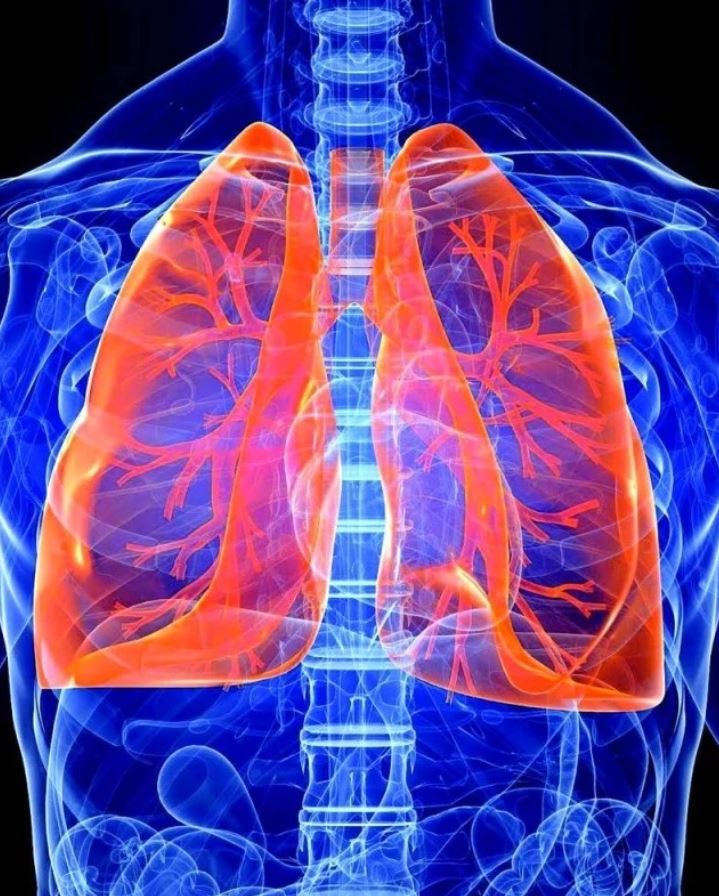
Scientists succeed in producing the most important immune cell in the lung
Scientists at the Texas Biomedical Research Institute have succeeded in producing the lung's most important immune cell, the alveolar macrophage, in laboratory conditions.
The cell culture model would make it much easier and inexpensive for scientists around the world to investigate inflammatory lung diseases and test new potential therapies.
Macrophages are the "defensive movers" of the immune system, engulfing and destroying intrusive particles that are foreign to the body.
Alveolar macrophages live specifically in the lining of the air sacs in the lung where air exchange takes place, and they are usually the first immune cells to encounter pathogens that enter the deep lungs, such as SARS-CoV-2 or the bacteria that causes tuberculosis.
"It is important to study tissue-specific cells to better understand the mechanisms of health and disease, and to screen potential new therapies," says Professor Larry Schlesinger, of the Texas Biomedical Research Institute and senior author of the paper published in the journal mBio.
Alveolar macrophages (or alveolar macrophages) were difficult to study because they live deep in the lungs and are difficult to access. It is usually collected through time-consuming and expensive lung lavage procedures, which involve using a bronchoscope to navigate down the throat and into the airways to collect fluid samples.
This new model starts with a simple blood draw. The white blood cells are isolated and placed in Teflon jars with cultured components of the specialized cells. The surfactant is added with three different cytokine proteins, which are normally found in the alveolar lining fluid.
"We call it the magic cocktail. We mimic the alveolar environment in cell culture. It makes the cells think they are in the lungs," explains Dr. Susanta Bahari, a postdoctoral researcher at the Texas Biomedical Research Institute and first author of the paper.
Within six days, the cells differentiate or transform into alveolar macrophage-like cells. The generated cells are 94% similar to human alveolar macrophages collected from lung lavage.
The Texas Biomedical Research Institute team confirmed that the model can be used to investigate tuberculosis and COVID-19. Pathogens are easily absorbed by cells.
"It's very rewarding to develop something that can help the research community," says Dr. Bahari. "We've already received many emails around the world asking for protocols on macrophage development. We're now looking into developing a kit that we can provide to make it easier to replicate what we've done." on others.”
Reality Of Islam |
|
A new gener
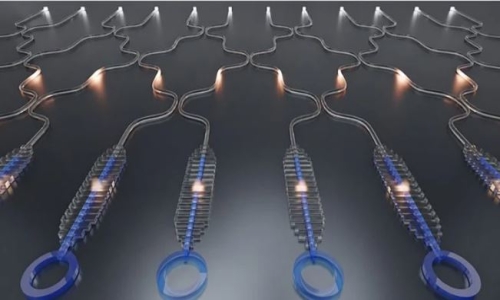
Building a
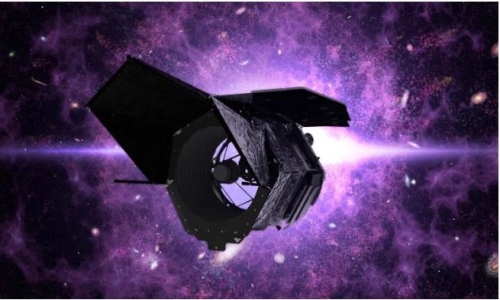
Now in spac
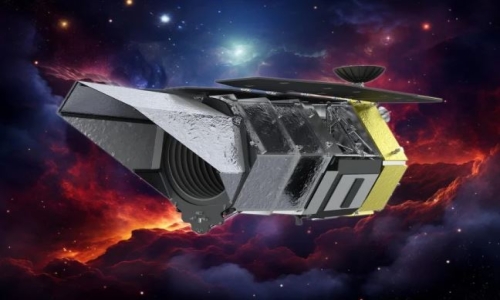
NASA’
 9:3:43
2018-11-05
9:3:43
2018-11-05
10 benefits of Marriage in Islam
7:5:22
2019-04-08
benefits of reciting surat yunus, hud &
9:45:7
2018-12-24
advantages & disadvantages of divorce
11:35:12
2018-06-10
6:0:51
2018-10-16
3:42:22
2021-12-24
10:43:56
2022-06-22
6:28:21
2022-12-20
11:11:59
2023-02-01
allah will not answer all your prayers
6:56:28
2022-01-01
7:6:7
2022-03-21
8:4:21
2022-01-08
5:41:46
2023-03-18
| LATEST |
 HOME
HOME