الوضع الليلي


 8:47:57
  2018-05-20
  4984
4984
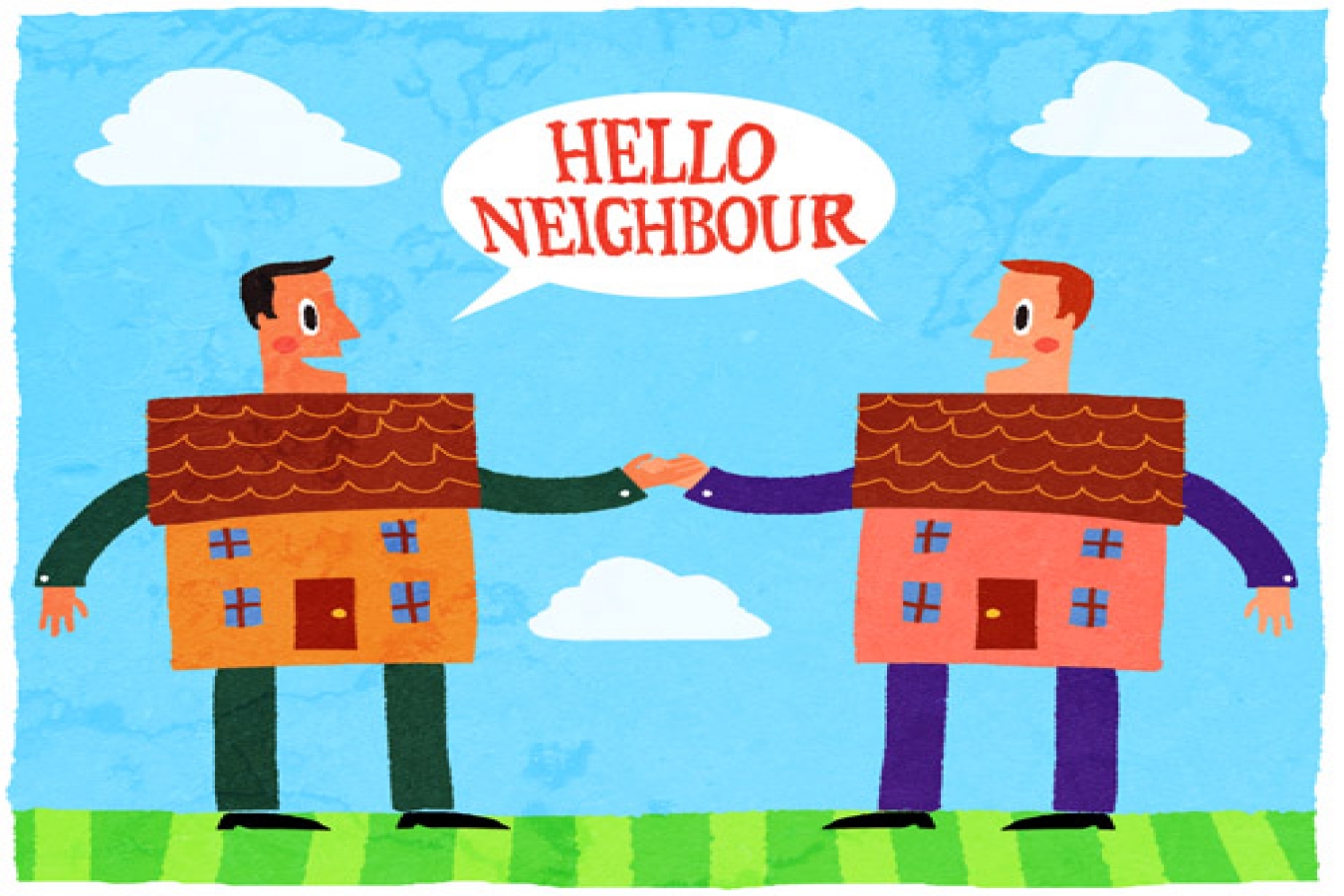
Islamic teachings and values should reflect more on an individual’s actions than their words. Their actions should reflect that they are Muslim and not their tongues. The behaviour that revels our true Islamic identity is how we treat others, and in specific neighbours. It doesn’t matter that your neighbours are not Muslim, or that they don’t have the same set of beliefs that you do, according to Islam treating them in a proper manner is not an option. Imam Ali (AS) has said "Man is either your brother in faith or your brother in humanity"
The Noble Qur'an tells us that all of mankind is descended from one couple, Adam and Eve. Thus we are all brothers and sisters, and our differences in languages and colors are but a mercy that we might know one another. Language and race should never be a reason for discriminating against people.
A Muslim must be good to his neighbors, no matter their religion. But the Prophet Muhammad (PBUH) taught us that a "neighbor" is not just the one next door but includes all those up to forty houses in all directions - effectively a whole neighborhood.
Prophet Muhammad (PBUH) was told of a woman who prayed during night and fasted a lot during day and gave alms generously, but whose neighbors complained of her abusive tongue. He said that she would be in Hellfire. When Prophet Muhammad (PBUH) was told of another woman who did not do all those extra acts of worship other than just compulsory (Wajib) but whose neighbors were happy with her, he said that she would be in Paradise. Thus we see the importance of being good to our neighbors, both in actions and words.
In the Holy Quran Allah says: “Worship God and join none with Him in worship, and do good to parents, kinsfolk, orphans, the poor, the neighbour who is near of kin, the neighbour who is a stranger, the companion by your side, the wayfarer (you meet)... Verily, God does not like such as are proud and boastful.”
Prophet Muhammad (PBUH) on the rights of the neighbour, said: "It is to help him if he asks your help, to lend him if he asks to borrow from you, to satisfy his needs if he becomes poor, to console him if he is visited by an affliction, to congratulate him if is met with good fortune, to visit him if he becomes ill, to attend his funeral if he dies, not to make your house higher than his without his consent lest you deny him the breeze, to offer him fruit when you buy some or to take it to your home secretly if you do not do that, nor to send out your children with it so as not to upset his children, nor to bother him by the tempting smell of your food unless you send him some."
Here we see that Allah and the Prophet Mohammed (PBUH) have greatly emphasized on the importance of neighbours.
Prophet Mohammed (PBUH) has also said “Whoever believes in God and the Last Day, let him not harm or annoy his neighbour…”
With this we ask all to guide us on the path of greatness and enlighten our soul.
Reality Of Islam |
|

A new gener

Building a

Now in spac

NASA’
 9:3:43
2018-11-05
9:3:43
2018-11-05
10 benefits of Marriage in Islam
7:5:22
2019-04-08
benefits of reciting surat yunus, hud &
9:45:7
2018-12-24
advantages & disadvantages of divorce
11:35:12
2018-06-10
6:0:51
2018-10-16
bahlool & the throne of haroun rashid
8:20:35
2018-06-21
7:59:14
2018-06-21
4:25:57
2023-02-11
7:32:24
2022-02-14
2:5:14
2023-01-28
10:35:40
2022-05-26
11:2:27
2022-10-06
5:41:46
2023-03-18
| LATEST |
 HOME
HOME