الوضع الليلي


 6:5:3
6:5:3  2019-09-19
  1560
1560
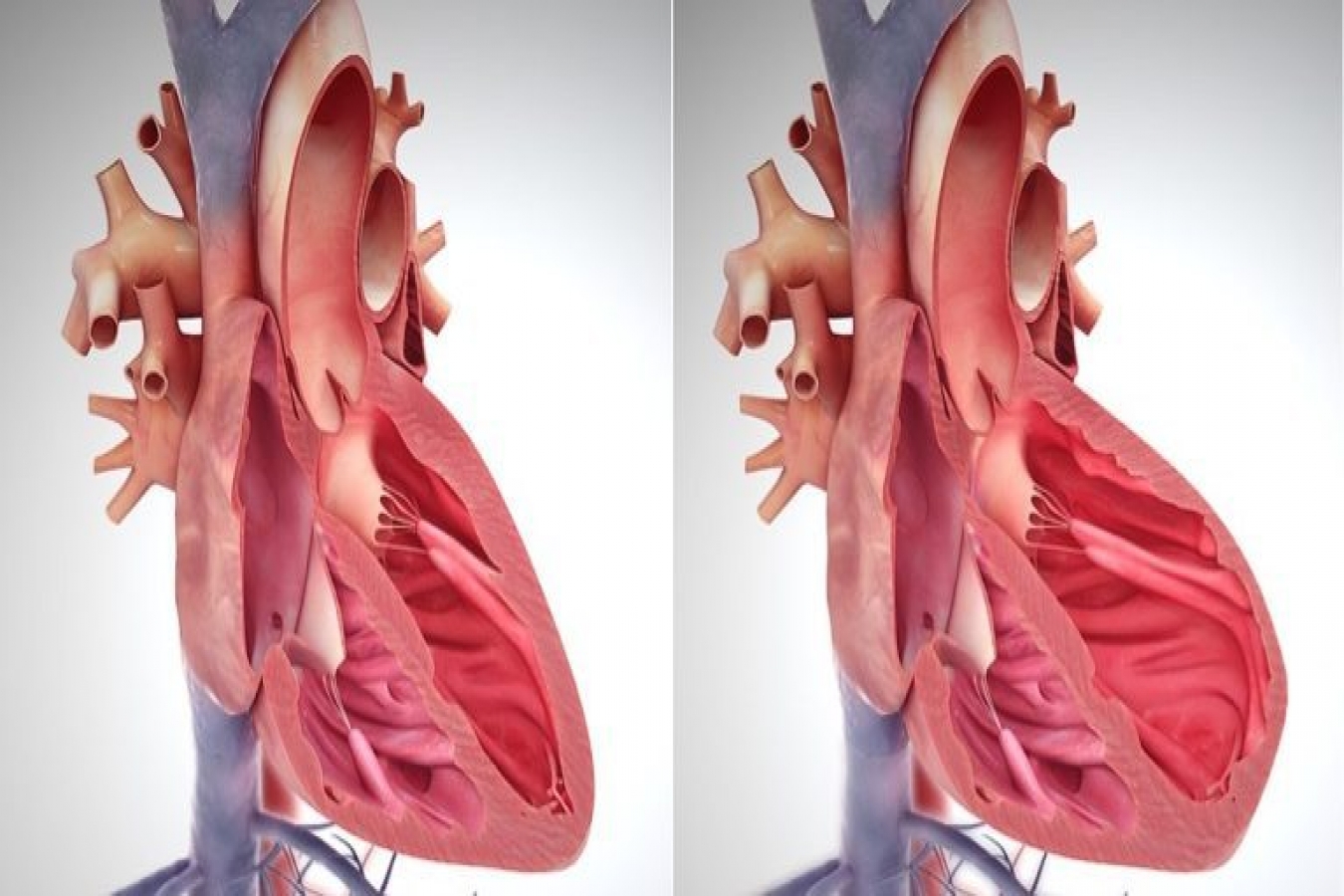
Researchers from Brigham and Women’s Hospital and UT Southwestern Medical center have developed a new machine learning algorithm that predicts the risk of heart failure hospitalization for people suffering from type 2 diabetes. Their work demonstrates that among 147 different demographic, clinical, and biological data, there is an important top 10 list of predictors, which includes BMI, age, hypertentsion, creatinine, HDL-C, and QRS duration.
One day, insightful algorithms such as these will hopefully be integrated into electronic health record systems, allowing physicians to identify risk factors for individual patients and provide personalized care and guidance to reduce the risk of heart failure and other diseases.
Heart failure is a frequent and dangerous complication of type 2 diabetes. New clinical research has shown that new medications can be helpful for patients with heart failure and may help reduce the risk of heart failure in patients with diabetes. Yet, there has not been a reputable method for identifying which patients with diabetes are most at risk of developing heart failure. The researchers developed a machine learning model to address this concern.
Leveraging data from nearly 9,000 patients in the Action to Control Cardiovascular Risk in Diabetes trial (ACCORD Trial), the researchers utilized a model that can work with high dimensional data, understanding patterns in the 147 total variables, including demographic, clinical, and biological data for each patient. Over the five year duration of the trial, 319 patients (3.6% of the total) developed heart failure. The most common factors included weight, age, hypertension, along with creatinine, HDL-C, blood glucose levels, QRS duration, myocardial infarction, and coronary artery bypass grafting. The highest risk score was associated with a 1 in 5 chance of developing heart failure in five years.
The WATCH-DM risk score, defined by the machine learning model, is now available as an online tool for clinicians to use. The team is working to integrate their scoring system into electronic health record systems at both Brigham and Women’s Hospital and UT Southwestern Medical Center to allow for real-time usage.
“This risk tool is an important step in the right direction to promote prevention of heart failure in patients with type 2 diabetes. It can be readily used as part of clinical care of patients with type 2 diabetes and integrated with the electronic medical records to inform physicians about the risk of heart failure in their patients and guide use of effective preventive strategies,” said Ambarish Pandey, MD, MSCS, a preventive cardiologist at UT Southwestern and the senior author of this study.
Reality Of Islam |
|
A new gener

Building a

Now in spac

NASA’
 9:3:43
2018-11-05
9:3:43
2018-11-05
10 benefits of Marriage in Islam
7:5:22
2019-04-08
benefits of reciting surat yunus, hud &
9:45:7
2018-12-24
advantages & disadvantages of divorce
11:35:12
2018-06-10
6:0:51
2018-10-16
2:42:26
2023-02-02
allah will not answer all your prayers
6:56:28
2022-01-01
1:38:41
2021-12-08
3:18:29
2022-12-24
4:26:43
2022-02-21
5:57:34
2023-03-18
9:50:37
2023-02-28
5:41:46
2023-03-18
| LATEST |
 HOME
HOME