
الوضع الليلي


 5:22:16
 2019-08-18
 1837
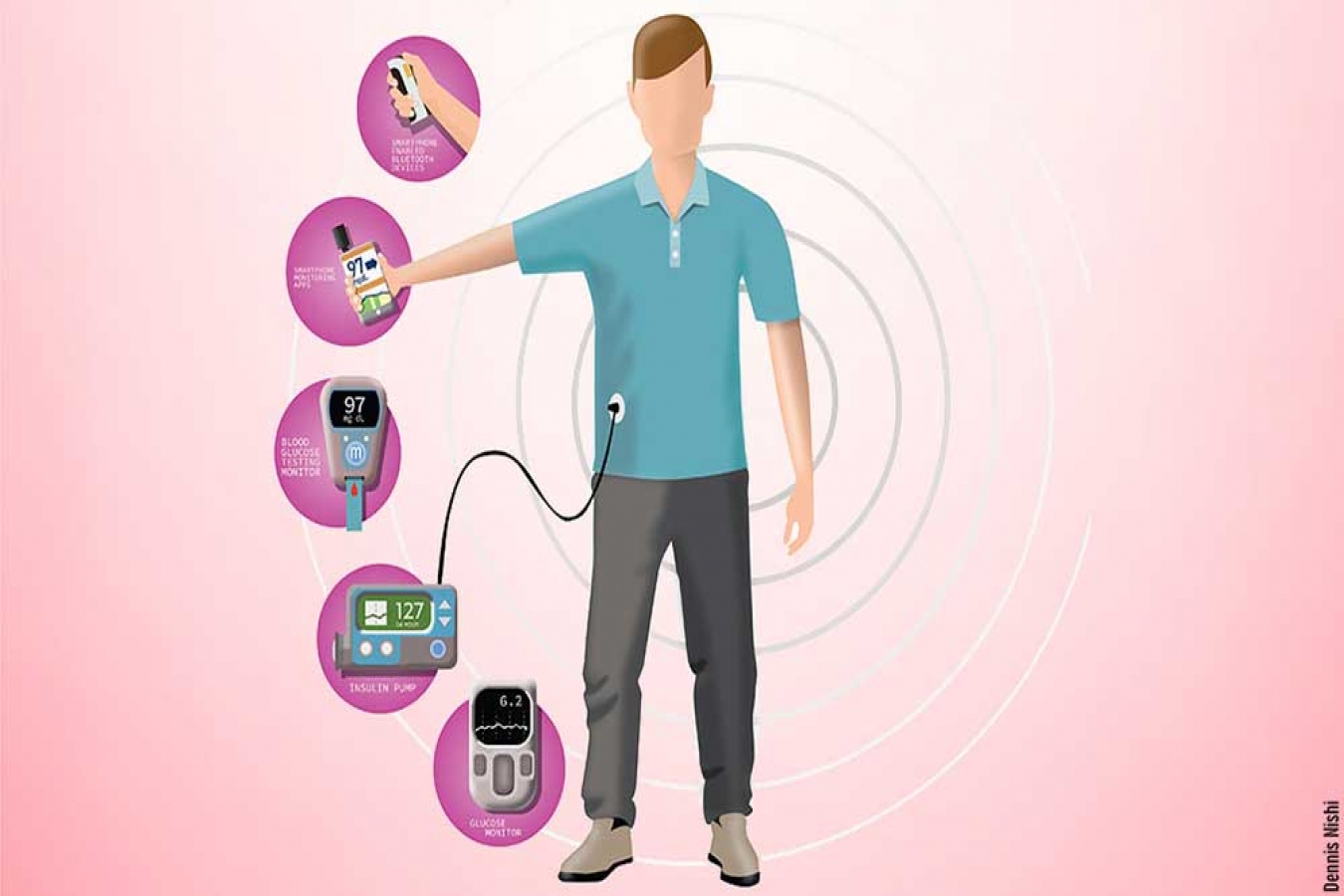
People with diabetes, particularly those with type 1 diabetes, may have an increased risk of hypoglycemia (low blood sugar) if they receive too much glucose lowering therapy. New research now warns that many people with diabetes face that risk.
In 2018, Medical News Today reported on a study warning that many people with type 2 diabetes may be overmonitoring their glucose levels, which may lead to the misuse of tests and supply waste.
Now, new research from the Mayo Clinic in Rochester, MN, warns that the United States faces a much more dangerous problem: the overtreatment of diabetes.
According to the study paper — which now appears in the journal Mayo Clinic Proceedings — many people receive too much glucose lowering therapy.
This increases a person's risk of hypoglycemia, or abnormally low blood sugar levels.
"Hypoglycemia, or low blood glucose, is one of the most common serious adverse effects of diabetes therapy, causing both immediate and long term harm to [people] who experience it," explains lead researcher Dr. Rozalina McCoy.
"Severe hypoglycemia, defined by the need for another person to help the patient treat and terminate their hypoglycemic event, is associated with increased risk of death, cardiovascular disease, cognitive impairment, falls and fractures, and poor quality of life," she adds.
The researchers found that in the U.S., people with diabetes often receive much more medication than their hemoglobin A1C levels would require. Hemoglobin A1C levels are a person's average blood sugar levels over a period of around 3 months.
In the cohort they studied, this resulted in 4,774 hospital admissions and 4,804 emergency department visits in the span of 2 years.
"Importantly, these numbers are a large underestimation of the true scope of overtreatment-induced hypoglycemic events," warns Dr. McCoy.
Millions of people receive too much therapy
The researchers used 2011–2014 data from the National Health and Nutrition Examination Survey, as well as information from the OptumLabs Data Warehouse.
The team's first step was to estimate how prevalent intensive glucose lowering therapy was in the U.S. by using National Health and Nutrition Examination Survey data.
They defined "intensive therapy" as taking one type of medication to achieve hemoglobin A1C levels of 5.6% or under, or taking two or several types of medication to achieve hemoglobin A1C levels of 5.7 to 6.4%.
Then, they used information from the OptumLabs Data Warehouse to estimate how many people with diabetes had visited an emergency department or the hospital because of hypoglycemia related to overly intensive treatment.
The team determined that 10.7 million nonpregnant adults with diabetes had hemoglobin A1C levels within recommended levels (under 7%). Of these, however, almost 22% received intensive glucose lowering therapy.
This means that as many as 2.3 million people with diabetes received overly intensive treatment between 2011 and 2014 in the U.S., the researchers found.
This was regardless of whether or not they had clinically complex profiles, such as:
According to the study, 32.3% of the 10.7 million people in the cohort had clinically complex profiles. However, this did not seem to have any bearing on whether or not an individual received intensive treatment for diabetes.
"Older people and others we consider clinically complex are more at risk to develop hypoglycemia, as well as experience other adverse events because of intensive or overtreatment," notes Dr. McCoy.
"However, at the same time, these [people] are unlikely to benefit from intensive therapy rather than moderate glycemic control," she notes.
"When we develop a diabetes treatment plan, our goal should be to maximize benefit while reducing harm and burden of treatment." Dr. Rozalina McCoy
Overtreatment as harmful as undertreatment
The researchers explain that currently, most policymakers and healthcare professionals are committed to controlling hyperglycemia (high blood sugar levels) and reducing instances of undertreatment.
However, Dr. McCoy notes, there also needs to be more awareness of the dangers of overtreatment.
"We need to align treatment regimens and goals with each patient's clinical situation, health status, psychosocial situation, and reality of everyday life to ensure that care is consistent with their goals, preferences, and values," she advises.
"While some episodes of hypoglycemia may be unavoidable, especially if caused by unmodifiable risk factors such as need for insulin therapy, others may be preventable, as in the case of overtreatment," explains Dr. Mc Coy.
She says that going forward, it is important that healthcare providers hit a balance in the recommendations they issue to their patients with diabetes.
"It is important not only to ensure that we do not undertreat our patients with diabetes, but also that we do not overtreat them because both undertreatment and overtreatment can harm our patients," stresses Dr. McCoy.
Reality Of Islam |
|

By filling

Scientists

A simple ch

Researchers
 9:3:43
2018-11-05
10 benefits of Marriage in Islam
7:5:22
2019-04-08
benefits of reciting surat yunus, hud &
9:45:7
2018-12-24
advantages & disadvantages of divorce
11:35:12
2018-06-10
6:0:51
2018-10-16
7:6:7
2022-03-21
7:45:39
2018-06-21
7:34:7
2023-02-28
6:14:17
2018-06-21
8:4:21
2022-01-08
6:0:8
2023-03-19
11:34:48
2022-06-29
5:41:46
2023-03-18
| LATEST |
 HOME






















