الوضع الليلي


 6:51:23
  2019-07-25
  1658
1658
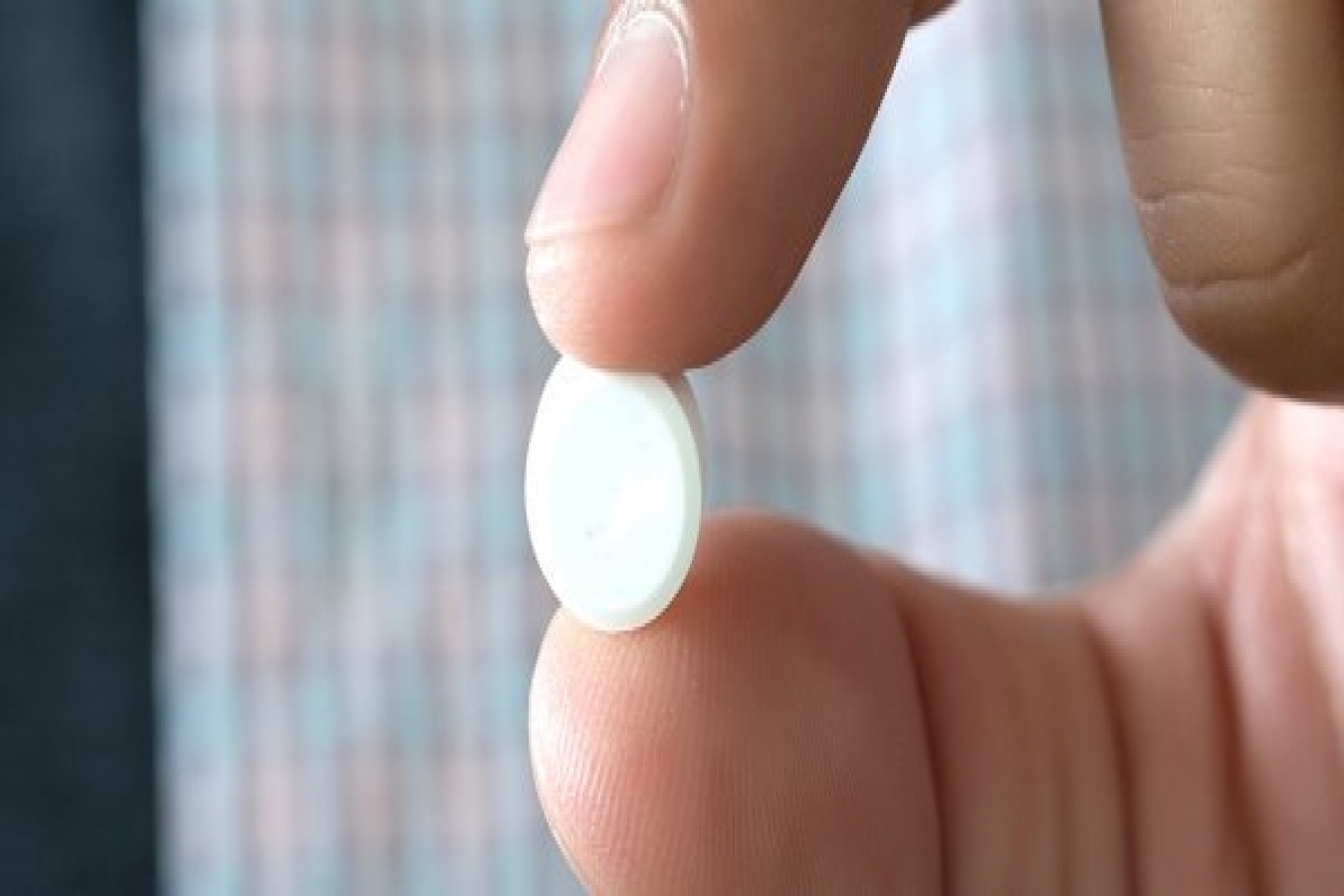
New research suggests that many adults in the United States who take low dose aspirin daily to prevent heart disease could be at risk of harm.
The individuals potentially at risk include older adults and those who have or have had peptic ulcers.
Peptic ulcers are open sores that can occur in the stomach and small intestine. These painful lesions, which are prone to bleeding, affect about 10% of people.
The recent study suggests that close to 6.6 million U.S. adults are taking aspirin every day to protect against heart disease without seeking medical advice.
Researchers at Beth Israel Deaconess Medical Center (BIDMC) and Harvard Medical School, both in Boston, MA, report these findings in a recent Annals of Internal Medicine paper.
The lead author is Dr. Colin W. O'Brien, who is a fellow at Harvard Medical School and also a senior resident in internal medicine at BIDMC.
He and his colleagues note that a key message of their findings is that people without a history of cardiovascular disease who are taking aspirin daily to prevent heart attack or stroke should talk to their doctor about whether it is wise for them to continue.
Revised guidelines
Aspirin works by reducing the stickiness of blood platelets and, therefore, decreasing their ability to clot. However, this same property also raises the risk of bleeding.
Until recently, the medical community supported the daily use of low dose aspirin for the prevention of cardiovascular events — such as heart attack and stroke — by those at higher risk.
The view was that, for those individuals, the benefits outweighed the risks.
However, the publication of three major studies in 2018 revealed that for many people, the dangers of internal bleeding offset the few benefits of aspirin use.
Those findings prompted the American Heart Association and the American College of Cardiology to revise the guidelines on aspirin use for the prevention of cardiovascular disease.
The new guidelines now advise that adults aged 70 years and older should not use daily low dose aspirin for the primary prevention of cardiovascular disease. They define a daily low dose as 75–100 milligrams.
In addition, the guidelines explicitly recommend against daily low dose aspirin for the primary prevention of cardiovascular disease in people of any age who have a raised risk of bleeding.
The recommendations do not apply to individuals who have already experienced a heart attack or stroke or to those who have undergone procedures such as stent insertion or bypass surgery to prevent cardiovascular events.
In a message accompanying the revised guidelines, the American Heart Association advise that unless a doctor prescribes it, people should avoid taking aspirin every day.
Doctors should ask about aspirin use
Dr. O'Brien and colleagues sought to determine the extent of regular aspirin use for the prevention of cardiovascular disease in the U.S.
Their data came from the 2017 National Health Interview Survey and covered adults aged 40 years and older.
They found that 23.4% of adults aged 40 year and older — which equates to about 29 million individuals — who did not have cardiovascular disease reported that they were taking aspirin daily to prevent heart disease.
Of these people, some 6.6 million were doing so without a doctor's recommendation.
The team was equally concerned to find that nearly 50% of those aged 70 years and older with no existing or previous cardiovascular disease were also taking aspirin to prevent heart disease.
The findings also revealed no significant link between lower use of aspirin and a history of peptic ulcers. This result is surprising given that doctors advise against regular use of aspirin if there is a history of peptic ulcer disease.
"Our findings show a tremendous need for healthcare practitioners to ask their patients about ongoing aspirin use and to advise them about the importance of balancing the benefits and harms, especially among older adults and those with prior peptic ulcer disease." Dr. Colin W. O'Brien
Reality Of Islam |
|
A new gener

Building a

Now in spac

NASA’
 9:3:43
2018-11-05
9:3:43
2018-11-05
10 benefits of Marriage in Islam
7:5:22
2019-04-08
benefits of reciting surat yunus, hud &
9:45:7
2018-12-24
advantages & disadvantages of divorce
11:35:12
2018-06-10
6:0:51
2018-10-16
8:39:51
2022-09-23
7:26:19
2022-04-08
7:6:7
2022-03-21
2:5:14
2023-01-28
8:25:12
2022-03-09
7:0:55
2022-05-17
11:11:59
2023-02-01
5:41:46
2023-03-18
| LATEST |
 HOME
HOME