الوضع الليلي


 5:10:9
  2018-05-03
  2438
2438
By: Victoria Gill, BBC Science
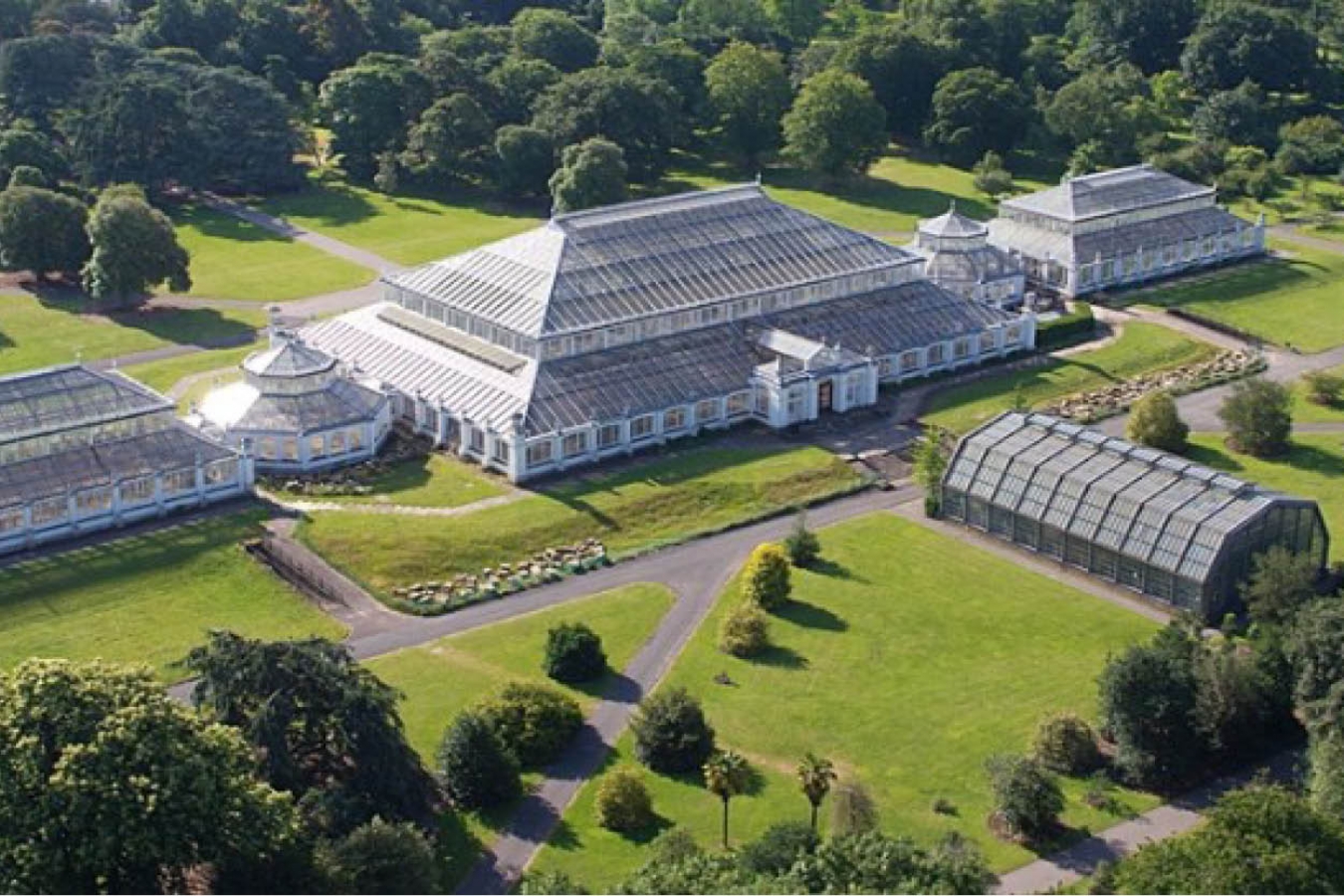
London's Kew Gardens is to reopen its Temperate House - the world's largest Victorian glasshouse - after a five-year restoration.
For the first time in its history, the Grade I-listed structure was "stripped back to bare metal" and modernised.
More than 5,280 litres (1,160 gallons) of paint was used, enough to cover four football pitches, and 15,000 panes of glass replaced.
The house will open to the public on Saturday, 5 May.
The vast greenhouse is now home to a geographically arranged collection of 10,000 plants from of temperate climates around the world - areas sometimes described as "the Goldilocks zone" of the planet, where plants are safe from frost.
----
This tree has been dubbed "the loneliest plant in the world" because only male plants remain - each a clone of the specimen at Kew, which was collected in the middle of the 19th Century. Some plants contain both male and female parts, but this species requires a female to produce seeds.
Lead horticulturalist Scott Taylor, who is overseeing the Temperate House collection, explained that plant-hunters are still searching for a female cycad so Encephalartos woodii can be bred. And he stressed the importance of having an insurance population of every one of the world's most endangered plants.
"We have a really important job to keep all of these things going," Mr Taylor said. "For some plants that are down to a few individuals in the wild - a wildfire, an earthquake, and they're gone."
----
Source: Kew Gardens
In an interview with the BBC, the naturalist and broadcaster Sir David Attenborough said he had first visited Kew Gardens "back when it cost a penny".
"When I had an office job at the BBC, when I used to be stuck in the office and get really depressed, I would come here at the weekend and take a deep breath, because there was a smell of the tropics.
"Plant species can go extinct just like animal species can go extinct," Sir David added. "[So] this is a very important institution."
Reality Of Islam |
|
A new gener
Building a
Now in spac

NASA’
 9:3:43
2018-11-05
9:3:43
2018-11-05
10 benefits of Marriage in Islam
7:5:22
2019-04-08
benefits of reciting surat yunus, hud &
9:45:7
2018-12-24
advantages & disadvantages of divorce
11:35:12
2018-06-10
6:0:51
2018-10-16
2:2:13
2022-10-08
10:43:56
2022-06-22
9:42:16
2022-10-19
2:34:48
2022-01-18
3:42:22
2021-12-24
4:2:19
2022-10-10
7:32:24
2022-02-14
5:41:46
2023-03-18
| LATEST |
 HOME
HOME