
الوضع الليلي


 5:50:20
 2019-06-11
 1744
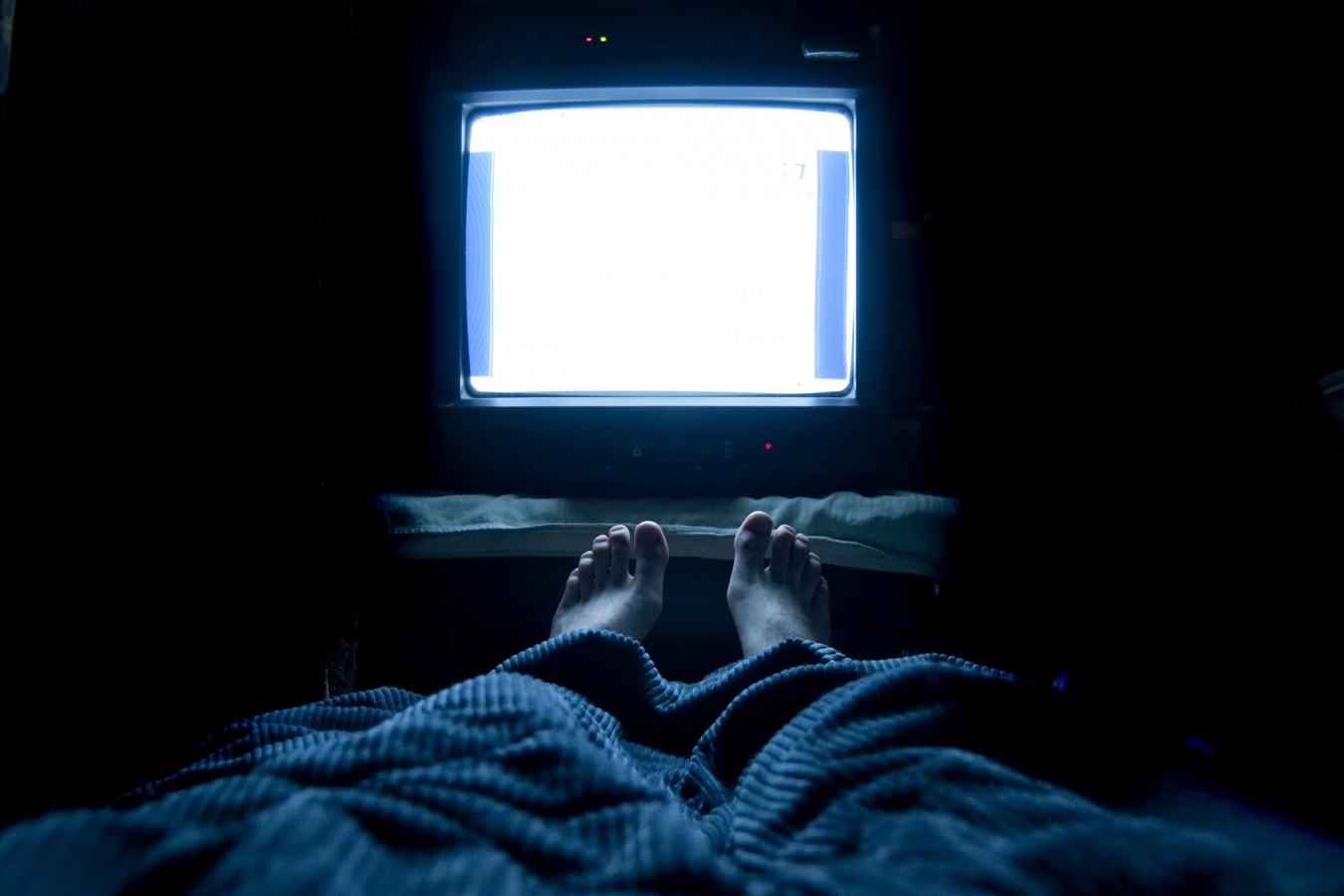
Exposure to light at night — from the glare of a bedroom TV or a street light through a window — may do more than disrupt sleep; it may increase the risk of weight gain and obesity in women, a new study suggests.
The study researchers found that women who reported exposure to light at night while sleeping were more likely to gain weight and become obese over nearly six years, compared with women who were not exposed to light at night.
The findings add to a growing body of evidence suggesting that light at night may be bad for health. Previous studies in animals have suggested that exposure to light at night may disrupt sleep and circadian rhythms, alter eating behaviors, and promote weight gain, the authors said.
The new findings, published today (June 10) in the journal JAMA Internal Medicine, suggest that "reducing exposure to artificial light at night while sleeping might be a useful strategy to prevent obesity," study lead author Dr. Yong-Moon Park, a postdoctoral fellow at the National Institute of Environmental Health Sciences (NIEHS), and senior author Dale Sandler, chief of the NIEHS's Epidemiology Branch, told Live Science in an email.
However, the researchers found only an association, and they can't prove that exposure to light at night directly causes weight gain or obesity. The study's authors could not fully account for factors that could affect the link, such as unhealthy eating behaviors and low levels of physical activity — factors that might be tied to poor sleep and exposure to light at night.
In other words, exposure to light at night might represent a "constellation" of factors, including those related to unhealthy behaviors, "all of which could contribute to weight gain and obesity," the authors said.
More research is needed to better understand the link and determine whether reducing light at night may prevent obesity, the authors concluded.
Although the new findings aren't conclusive, reducing your exposure to light and night may not be a bad idea. "It seems reasonable to advise people not to sleep with lights on," Park and Sandler said.
Harmful light?
Previous studies have found a link between exposure to light at night and obesity in humans. However, most of this research was conducted in night-shift workers who are exposed to high levels of light at night; these results may not apply to the general population. The few studies that have been conducted in the general population have typically collected data at a single point in time, so researchers haven't been able to determine whether light at night is tied to weight gain over time.
In the new study, the researchers analyzed information from nearly 44,000 women ages 35 to 74 from all 50 U.S. states. Participants' weight was recorded at the start of the study, and they were followed for an average of 5.7 years. The women also answered questions about their level of exposure to light at night while sleeping, such as light from other rooms, light from outside, light from a TV, or light in the bedroom.
Among women who weren't obese at the study's, those who reported exposure to any light at night were about 20% more likely to become obese during the study, compared with those who didn't report exposure to light at night.
Women who slept with a TV or light on in the room were 17% more likely to gain at least 11 pounds (5 kilograms) during the study, compared with the no-night-light group.
The findings held even after the researchers took into account factors such as where participants lived (in an urban, suburban or rural area), their household income, their level of caffeine and alcohol consumption, and any experiences of depression or high stress.
Behind the link
It may be that exposure to light at night indirectly affects obesity risk by decreasing sleep duration, which can disrupt appetite hormones and, in turn, increase food consumption; less sleep can also lead to reduced physical activity, the authors said.
Or light at night might have a more direct effect on obesity — exposure to light at night may disrupt levels of sleep or stress hormones, or directly affect metabolism, in ways that contribute to weight gain, they said.
The study authors didn't specifically assess exposure to light from smartphones, computer screens or tablets, but previous research has also linked exposure to light from these devices (which emit "blue light") to poor sleep and daytime sleepiness, the authors said. It's likely that exposure to blue light at night is also linked with weight gain and obesity, but future studies will be needed to examine this, Park and Sandler said.
Future research should also include objective measures of light intensity and duration of light exposure, which weren't assessed in the current study, the authors said.
Reality Of Islam |
|

By filling

Scientists

A simple ch

Researchers
 9:3:43
2018-11-05
10 benefits of Marriage in Islam
7:5:22
2019-04-08
benefits of reciting surat yunus, hud &
9:45:7
2018-12-24
advantages & disadvantages of divorce
11:35:12
2018-06-10
6:0:51
2018-10-16
8:19:41
2018-06-21
2:33:4
2023-02-15
6:28:21
2022-12-20
4:25:57
2023-02-11
5:57:34
2023-03-18
10:47:11
2022-11-22
7:0:55
2022-05-17
5:41:46
2023-03-18
| LATEST |
 HOME






















