الوضع الليلي


 2:14:12
  2019-05-09
  3613
3613
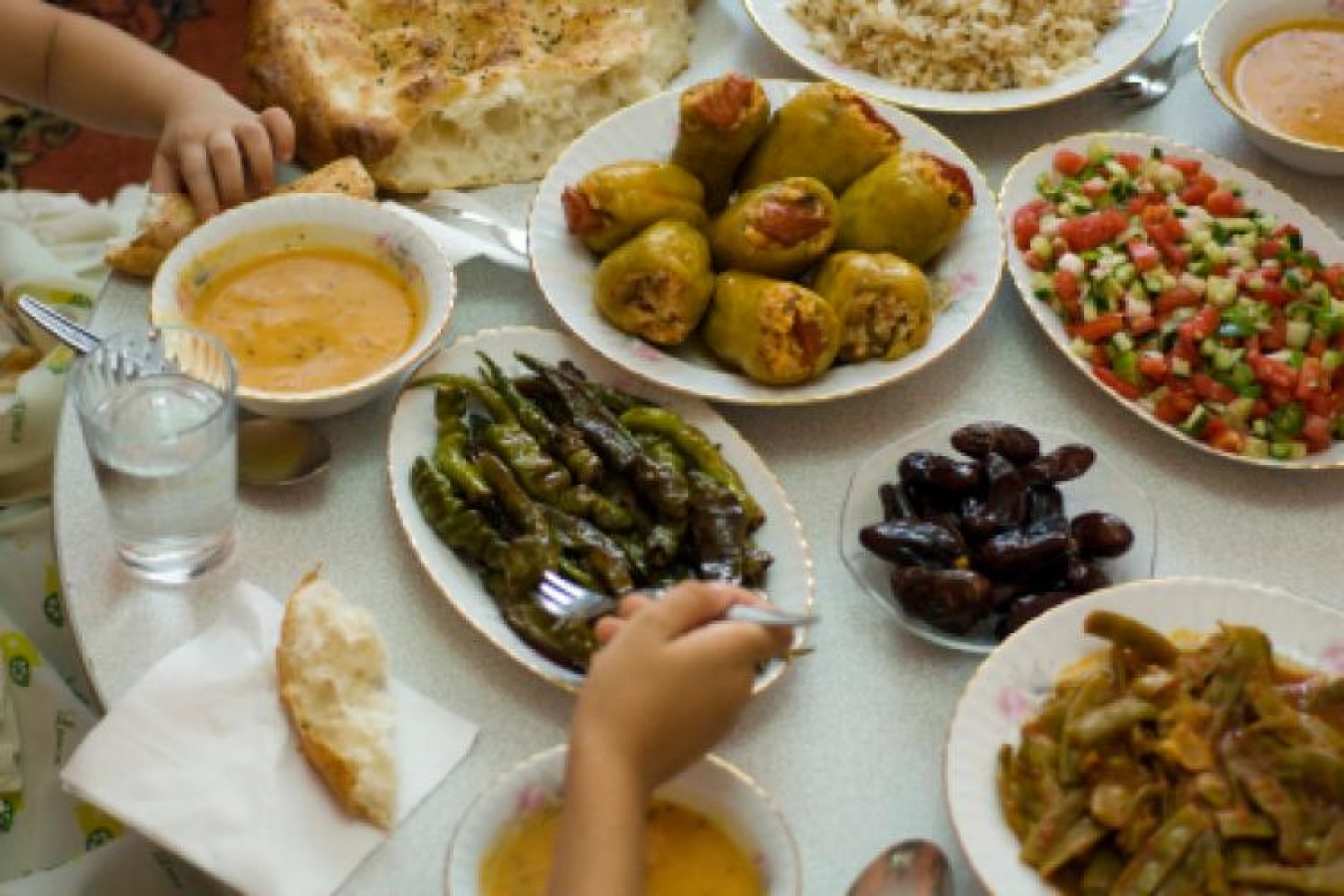
Ramadan fasting
Fasting during Ramadan carries a high risk of dehydration as food and drink are limited to before sunrise and after sunset. Furthermore, as fasting individuals are encouraged to wake up very early to have their Suhoor (or pre-dawn meal), sleep deprivation and dehydration can lead to headaches.
“Healthy fasting is possible if you consume the right foods and in the right quantity,” advises the Department of Dietetics at Singapore General Hospital (SGH), a member of the SingHealth group.
Here are some tips on healthy fasting:
As the saying goes, ‘breakfast is the most important meal of the day’. And during Ramadan, it becomes even more important!
Although skipping Suhoor to have uninterrupted sleep may sound appealing, you shouldn’t.
Skipping Suhoor prolongs the fasting period as your body will need to rely on the previous meal to provide you with all the nutrients and energy until Iftar (dinner). Due to the longer hours of fasting, you are more likely to feel dehydrated and tired during the day. Furthermore, skipping Suhoor also encourages overeating during Iftar, which can cause unhealthy weight gain.
Just as it is not advisable to skip Suhoor, overeating when it is time to break the fast can harm your body.
Iftar should be a well-balanced, nutritious meal and not a feast! Overeating and excessive consumption of high-fat foods in particular may result in indigestion and weight gain. Slow down and enjoy each mouthful of your food.
It is not uncommon for fasting individuals to reward themselves with rich, greasy, fried and sugary dishes come meal time. While these foods make you feel good in the short run, they can make fasting the next day more difficult.
Aside from the unhealthy weight gain, consuming fatty and sugary foods also cause sluggishness and fatigue. In addition, you should limit your intake of salt, especially during Suhoor (pre-dawn meal), as this increases thirst.
Instead, try incorporating foods from all the major food groups including fruit and vegetables, rice and alternatives, as well meat and alternatives. Consuming fibre-rich foods during Ramadan is also ideal as they are digested slower than processed foods so you feel full longer.
Drinking as much water as possible between Iftar (dinner) and Suhoor (pre-dawn meal) reduces your risk of dehydration during fasting.
Make every effort to drink at least 8 glasses of fluids daily before dawn and after sundown. Fluids include juices, milk, beverages and soups but water is the best choice. Ideally, you should also cut down on caffeinated drinks like coffee, tea and colas as these have a diuretic effect and promotes fluid loss.
A well-balanced diet is key to healthy fasting during Ramadan. Read pages 2 and 3 for the ideal foods to eat during Iftar and Suhoor.
Reality Of Islam |
|
A new gener

Building a

Now in spac

NASA’
 9:3:43
2018-11-05
9:3:43
2018-11-05
10 benefits of Marriage in Islam
7:5:22
2019-04-08
benefits of reciting surat yunus, hud &
9:45:7
2018-12-24
advantages & disadvantages of divorce
11:35:12
2018-06-10
6:0:51
2018-10-16
allah will not answer all your prayers
6:56:28
2022-01-01
8:21:9
2018-06-21
8:3:0
2018-06-21
2:11:12
2022-10-15
3:18:29
2022-12-24
11:2:27
2022-10-06
the happy life of mankind requirement
6:36:36
2022-01-25
5:41:46
2023-03-18
| LATEST |
 HOME
HOME