الوضع الليلي


 3:37:28
  2019-05-08
  1682
1682
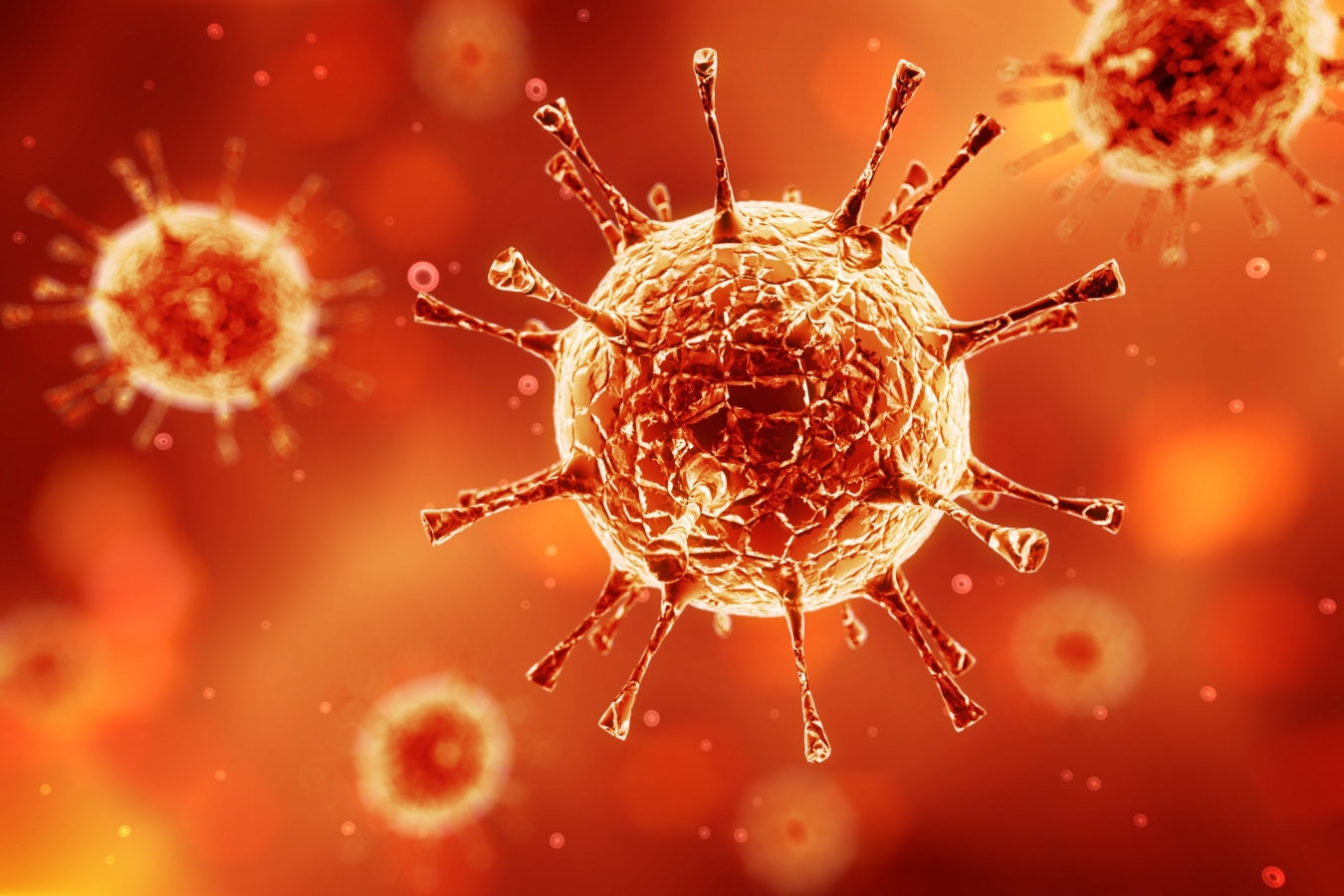
More than half of the infectious diseases that affect people come from animals. Now, for the first time, the government is releasing a list of the top eight illnesses spread from animals — called zoonotic diseases — in the United States.
The list includes some strains of the flu, Salmonella infection, West Nile virus, the plague, emerging coronaviruses such as Middle East respiratory syndrome, rabies, brucellosis (a bacterial infection) and Lyme disease, according to the list, released May 6 by the Centers for Disease Control and Prevention (CDC).
Experts from the CDC, along with experts from the U.S. Department of Agriculture and the Department of the Interior, came up with the list during a workshop held last December in Washington, D.C.
The eight illnesses were chosen based on the potential for the disease to cause an epidemic or pandemic, the severity of the disease, the economic impact, the potential for the introduction or spread of the disease in the U.S., and the potential for bioterrorism. (An epidemic refers to when a disease affects more of a given population than expected; a pandemic refers to a worldwide epidemic.)
Take the flu, for example. The flu can sicken many different animals, including cats, dogs and bats. And though certain strains of the virus are typically contained within certain species, the strains change all the time. In rare cases, the virus can mutate in a way that allows it to hop from whichever animal it usually infects to humans, and from there, spread to other humans.
Flu pandemics typically happen as a result of this hop from animals to humans, Live Science reported in March. For example, the 2009 flu pandemic — the swine flu — came from pigs. And the 1918 flu pandemic, which killed millions of people around the world, originated in birds.
Other zoonotic illnesses on the list include salmonellosis, caused by Salmonella bacteria, which leads to about 1.2 million illnesses every year in the U.S., according to the CDC. People can become infected by this bacterium if they eat food contaminated with the bacteria.
Also on the list is a very rare, yet very serious zoonotic infection known as rabies, which is caused by a virus that can spread from animal bites.
The list also includes the West Nile virus, which can be transmitted from mosquitoes, and Lyme disease, an illness that comes from the bite of infected ticks. The plague (yes, it still exists) can be transferred to humans who have handled animals infected with the bacterium Yersinia pestis. The plague, unlike in the Middle Ages, is now treatable with antibiotics. Even so, the report concluded that one form of the plague — the deadly pneumonic plague — has the potential to spread until it's an epidemic, and the bacteria could also be used as a bioterrorism agent.
Reality Of Islam |
|

A new gener

Building a

Now in spac

NASA’
 9:3:43
2018-11-05
9:3:43
2018-11-05
10 benefits of Marriage in Islam
7:5:22
2019-04-08
benefits of reciting surat yunus, hud &
9:45:7
2018-12-24
advantages & disadvantages of divorce
11:35:12
2018-06-10
6:0:51
2018-10-16
4:2:19
2022-10-10
the happy life of mankind requirement
6:36:36
2022-01-25
a hero waters thirsty wild animals
9:4:9
2022-01-06
6:0:8
2023-03-19
10:47:11
2022-11-22
7:6:7
2022-03-21
4:26:43
2022-02-21
5:41:46
2023-03-18
| LATEST |
 HOME
HOME